Why Choose Non Fat Milk for a Healthier Lifestyle?
In recent years, non fat milk has gained attention for its health benefits. Dr. John Richards, a leading nutritionist, advocates this choice, stating, "Non fat milk provides essential nutrients without the extra calories." Many people overlook the advantages of choosing non fat options for a healthier lifestyle.
Non fat milk is lower in calories, making it suitable for weight management. It retains the same amount of calcium and vitamins as whole milk. This means you can enjoy the creamy taste without the extra fat. However, not everyone enjoys its texture or flavor. Some might find it less satisfying than whole milk. This is a common concern for those making the switch.
Despite these challenges, incorporating non fat milk can enhance your diet. It is a great source of protein, helping in muscle maintenance. The shift to non fat milk offers numerous benefits but requires a mindset change. Awareness of your choices is essential in this journey towards better health.
Benefits of Non-Fat Milk for Weight Management
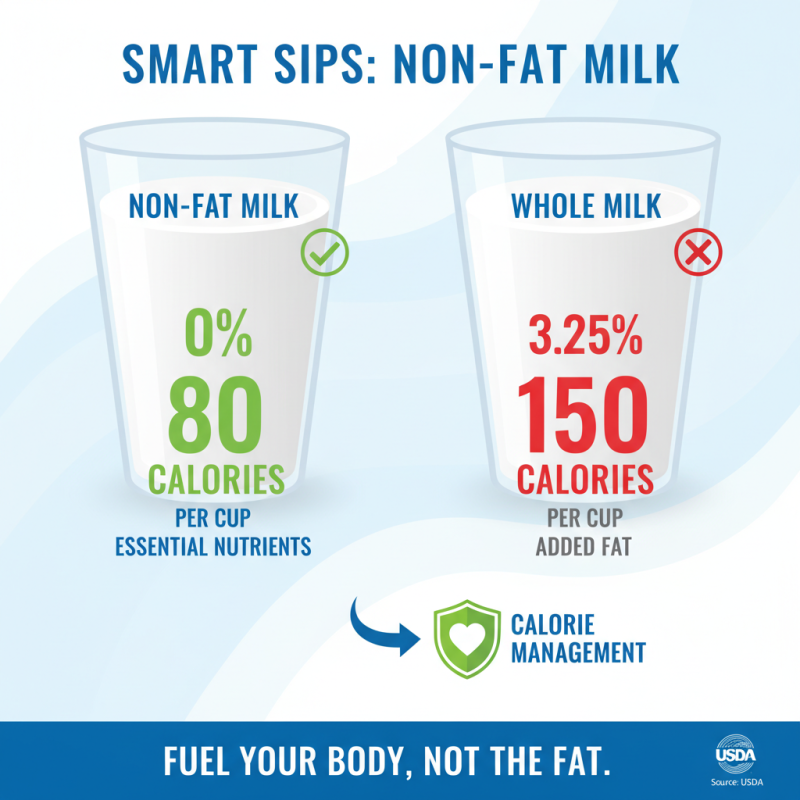
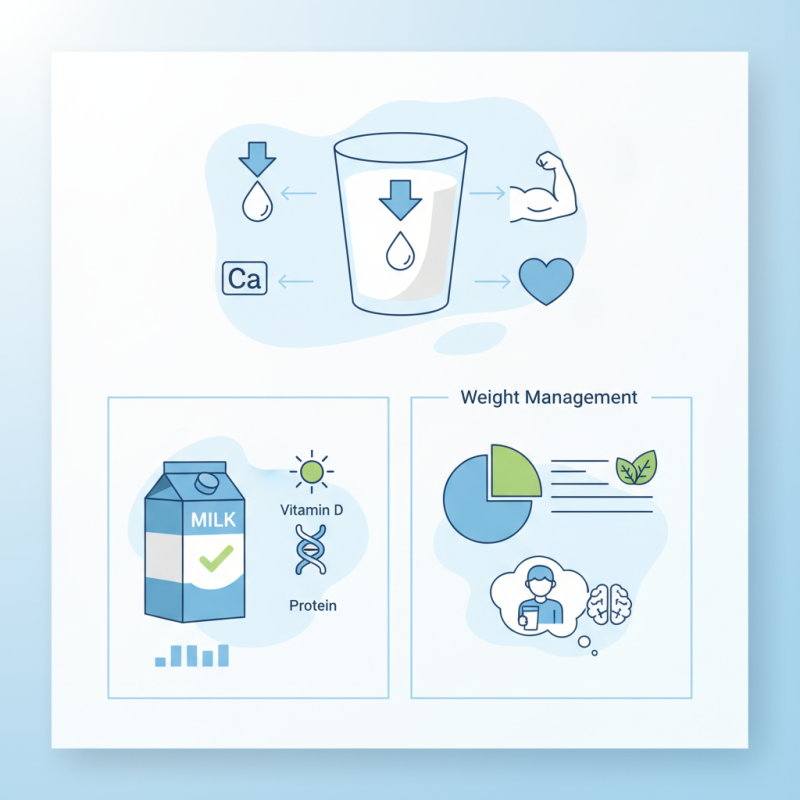
Choosing non-fat milk can be a smart step for those looking to manage their weight. Unlike whole milk, it contains less fat and fewer calories. A cup of non-fat milk has about 80 calories compared to 150 in whole milk. This reduction can help create a calorie deficit, which is essential for weight loss.
In addition to fewer calories, non-fat milk still provides essential nutrients. It is rich in protein, calcium, and vitamin D. These nutrients are vital for maintaining muscle mass, strengthening bones, and supporting overall health. However, some may miss the creamy taste of whole milk. This can lead to people feeling unsatisfied and opting for sugary alternatives instead.
It's also important to consider how you integrate non-fat milk into your diet. Using it in smoothies or cereals can be beneficial. But relying solely on it might not align with everyone's tastes. Finding balance is key. Some people may even find themselves overindulging in other foods to make up for the lower fat content. Being mindful of these choices can turn non-fat milk into a valuable ally in weight management.
Nutritional Comparison: Non-Fat Milk vs. Whole Milk
When comparing non-fat milk to whole milk, the nutritional differences are striking. Non-fat milk contains fewer calories and less saturated fat. A cup of non-fat milk has about 80 calories, while whole milk packs in around 150 calories. This makes non-fat milk a better choice for those looking to maintain a healthy weight.
Protein content remains similar in both. Each offers around 8 grams per cup. However, many people overlook the impact of fat on satiety. Whole milk can keep you full longer, but the extra calories might lead to overeating. It's essential to consider what fits your lifestyle—your daily diet, your activity level, and your health goals.
Choosing non-fat milk can boost calcium and vitamin D intake without the extra fat. Still, some might miss the creaminess of whole milk. It can feel less satisfying. Testing both options can lead to surprising personal preferences. Understanding what nourishes your body can help steer you toward better choices. Balancing taste and health is key.
Why Choose Non Fat Milk for a Healthier Lifestyle?
| Nutrient |
Non-Fat Milk (1 cup) |
Whole Milk (1 cup) |
| Calories |
83 |
150 |
| Total Fat |
0g |
8g |
| Saturated Fat |
0g |
5g |
| Protein |
8g |
8g |
| Calcium |
301mg |
291mg |
| Vitamin D |
2.5mcg |
2.5mcg |
Impact of Non-Fat Milk on Heart Health and Cholesterol Levels
Non-fat milk is often hailed for its potential benefits in promoting heart health. It contains less saturated fat than whole milk. This reduction may help lower cholesterol levels. Many people overlook the importance of monitoring their heart health. High cholesterol can lead to serious conditions like heart disease. Choosing non-fat milk can be a straightforward step toward a healthier heart.
Incorporating non-fat milk into your diet doesn’t mean you need to sacrifice flavor. Many enjoy it in smoothies, cereals, or even as a coffee creamer. It’s an easy switch many can make. However, be aware that taste preferences vary. Some may miss the creaminess of whole milk. Experimenting with alternatives within your diet is essential. You might find new favorites.
Tips: When choosing non-fat options, always check nutritional labels. Watch out for added sugars. Too much can negate health benefits. Enjoying milk in moderation can yield the best results. Balance your intake with other nutrient-rich foods. Be open to adjusting your meals based on what feels good for your body. Reflecting on your choices can lead to healthier habits.
Why Choose Non Fat Milk for a Healthier Lifestyle?
This chart illustrates the saturated fat content in different types of milk. As seen, non-fat milk contains zero saturated fat, making it a healthier choice for individuals looking to manage cholesterol levels and promote better heart health.
How Non-Fat Milk Supports Healthy Bones and Muscle Growth
Non-fat milk is an excellent choice for those seeking to enhance their bone density and promote muscle growth. It is rich in essential nutrients.
Calcium and vitamin D found in non-fat milk are vital for strong bones. Research shows that consuming calcium can reduce the risk of osteoporosis by approximately 30% in later life. Many people, however, may not get enough of this nutrient daily.
Protein levels in non-fat milk also support muscle development. A cup contains about 8 grams of high-quality protein. This protein aids in muscle repair and growth after exercise. Studies suggest that protein intake after workouts can increase muscle synthesis by 25%. Athletes often overlook this simple source of nutrition, focusing instead on more complicated supplements.
Choosing non-fat milk may also help in weight management. It has fewer calories compared to whole milk, offering a lighter option for those monitoring their calorie intake. Some might wonder if it truly offers the same satisfaction. The flavor might be less creamy, prompting adjustments in preferences. This shift can challenge lifelong habits but can lead to healthier choices over time.
Incorporating Non-Fat Milk into a Balanced Diet
Incorporating non-fat milk into a balanced diet can be a smart choice. Non-fat milk provides essential nutrients without the added calories from fat. According to the USDA, one cup of non-fat milk contains about 80 calories, compared to 150 in whole milk. This can be crucial for those watching their calorie intake.
Integrating non-fat milk into daily meals can be easy. Use it in smoothies, cereals, or coffee. A 2022 study in the Journal of Nutrition highlighted that individuals who consumed low-fat dairy experienced lower body fat percentages. This makes non-fat milk a great option for weight management.
However, some may find the taste less satisfying compared to whole milk. This could lead to opting for higher-calorie alternatives. It's important to reflect on personal preferences and make gradual changes. Finding a balance is key. Consider using non-fat milk with flavorful additions, such as vanilla or cocoa, to enhance the taste. This way, you can enjoy the benefits while keeping your diet on track.