Skip to content

How to Choose the Right Plastic Coating Machine?

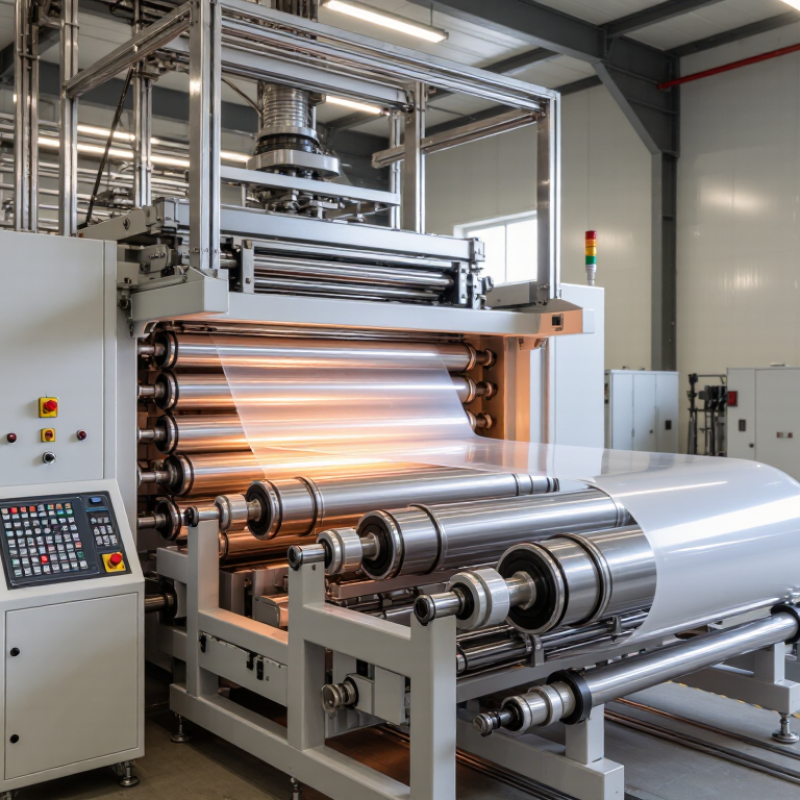
Choosing the right Plastic Coating Machine can shape product quality, operating costs, and long-term production stability. The decision should begin with the material, coating purpose, and expected output, not with a machine’s advertised speed. A factory coating flexible film may need different equipment from a workshop treating metal sheets or electronic components. Film thickness, coating width, drying temperature, viscosity, and line speed all influence the final selection. Small details matter. A poorly matched roller can create streaks, uneven edges, or wasted coating.

Practical experience shows that reliable equipment must be evaluated beyond its basic specifications. Inspect the coating head, tension control, heating system, cleaning access, and spare-parts availability. Ask manufacturers for test results using your actual substrate and coating formula. Independent certifications, installation records, and responsive technical support also strengthen confidence. An experienced supplier should explain limitations clearly, rather than promise perfect results for every material. That honesty matters.

Budget deserves careful thought. A cheaper machine may require more manual adjustment, frequent cleaning, or costly upgrades later. However, the most expensive model is not automatically the best choice. Production volume, labor skills, workshop space, energy use, and future product changes should guide the investment. Leave room for uncertainty. Coating behavior can change with humidity, temperature, and operator technique. A sensible selection process compares measurable performance with real working conditions, while recognizing that even well-designed equipment may need adjustment after installation. The right machine supports consistent results, safer operation, and sustainable growth.
How to Choose the Right Plastic Coating Machine?

Define Coating Goals: 1–100 μm Thickness, Web Width, and Line Speed

How to Choose the Right Plastic Coating Machine?

Start by defining the coating target in measurable terms. A 1 μm film behaves very differently from a 100 μm layer. Thin coatings demand accurate metering, clean surfaces, and stable tension. Thick coatings may require stronger pumps, wider gaps, and longer drying zones. Specify whether thickness means wet or dry coating. This detail is often missed. It can distort equipment selection.

Record the web width, including trim margins and edge beads. A machine designed for a 500 mm web may not handle a 1,500 mm film reliably. Measure the actual substrate, not only the planned product size. Then set the required line speed. For example, 20 m/min may support a thick protective layer, while 100 m/min may suit a fast-drying primer. However, speed alone is not enough. Viscosity, solvent evaporation, coating uniformity, and drying capacity must work together. A faster line can create streaks, bubbles, or incomplete drying.

Use production data to build a realistic specification. Ask for thickness tolerance, width tolerance, and acceptable waste levels. Test samples at low, medium, and maximum speeds. Inspect them under angled light and measure thickness across the web. Calibrate the gauge before testing. It sounds basic, but skipped calibration can produce confident, incorrect results. Leave room for adjustment. Real materials rarely behave exactly like laboratory samples.

Compare Gravure, Slot-Die, and Spray Systems by Coating Range

How to Choose the Right Plastic Coating Machine?

The coating range should guide your machine choice, not the machine’s appearance. Gravure systems suit low to medium viscosity liquids and continuous plastic films. They produce thin, even layers at high web speeds. Engraved cells control the transferred volume. This method works well for primers, inks, and functional coatings. However, very thick layers may require several passes. Drying capacity also limits practical output.

Slot-die systems offer tighter control over coating thickness. They handle many water-based, solvent-based, and higher-solids formulations. The coating head places liquid directly onto the moving film. This reduces waste and supports precise multilayer structures. Slot-die equipment performs best with clean, stable formulations. Small particles or changing viscosity can disturb the coating bead. That detail is easy to underestimate.

Spray systems cover complex shapes, textured surfaces, and targeted areas. They can process a wider range of shapes than gravure or slot-die equipment. Operators can adjust nozzle size, pressure, and spray distance. Yet overspray may increase material use and require better ventilation controls. Uneven edges can also appear without careful gun movement.

In production trials, simple test panels reveal more than specifications. Compare coating thickness, surface appearance, drying time, and material loss. The cheapest system may become expensive after repeated adjustments. A thoughtful choice considers the full coating window, not one successful trial.

Size Drying Units for 60–180°C Air Temperatures and Solvent Loads

How to Choose the Right Plastic Coating Machine?

Selecting a plastic coating machine starts with the drying requirement, not the machine frame. A process running between 60 and 180°C needs carefully sized drying units. The correct size depends on coating weight, web width, line speed, solvent load, and available residence time. A narrow machine may handle a light coating well, yet struggle when production speed increases. Measure the actual solvent evaporation rate before choosing heater capacity.

Temperature alone does not guarantee proper drying. At 60°C, a solvent-heavy coating may need longer air travel and stronger circulation. At 180°C, drying can become too aggressive, causing bubbles, pinholes, or substrate distortion.

Use multiple drying zones when possible. Each zone can control temperature, airflow, and exhaust separately. Keep air balanced across the web. Uneven airflow often creates glossy and dull strips.

Experienced operators check the web surface, exhaust temperature, and residual solvent, rather than trusting one display. A first calculation is rarely perfect. Real coatings behave differently from laboratory samples.

Leave adjustment room in the fan capacity and heating system. Verify solvent compatibility, ventilation, and required safety controls with qualified engineers. Small changes matter. A larger drying chamber may improve stability, but it can also increase energy use and maintenance. Choose capacity from measured process data, then test the machine under the heaviest expected load.

Specify ±5% Thickness Uniformity Using ISO 2808 Measurement Methods

How to Choose the Right Plastic Coating Machine?

Specify ±5% Thickness Uniformity Using ISO 2808 Measurement Methods

Choosing a plastic coating machine should begin with thickness control, not output speed. A fast line is useless when the coating varies across one panel. Set ±5% thickness uniformity as a practical production target. Then ask whether the machine can maintain it across edges, corners, and flat surfaces.

ISO 2808 provides recognized methods for measuring coating thickness. Select a suitable method for the coating type, substrate, and curing condition. Measure wet film thickness during application, then verify dry film thickness after curing. Use calibrated gauges and record readings from a defined grid. Five points may expose a problem that one central reading hides.

Small details matter. Check nozzle alignment, material temperature, line speed, and pressure stability. During trials, compare readings near the center and edges. A panel can look perfect while showing uneven measurements. That happened in one of our test runs. We initially blamed the coating material, but the real issue was uneven air pressure. The machine needed adjustment, not replacement.

Ask the supplier for repeatability data, measurement records, and trial support. Request several production samples, not one polished demonstration panel. Review how operators clean the system and correct thickness drift. A machine that reaches ±5% only under ideal conditions may disappoint on a busy production floor. Leave room for improvement. Consistent measurement is the stronger buying decision.

Check ATEX, NFPA 86, VOC Control, and 95%+ Equipment Uptime Targets

Choosing a plastic coating machine starts with hazard classification, not brochure speed. ATEX 2014/34/EU addresses equipment used in potentially explosive atmospheres. NFPA 86 focuses on industrial ovens, furnaces, combustion safeguards, and protective interlocks. These frameworks overlap, but they are not interchangeable. Confirm the zone, gas or vapor group, temperature class, burner controls, grounding path, and emergency shutdown logic before comparing capacity.

VOC control deserves equal attention. The U.S. EPA’s AP-42 emission-factor report identifies solvent evaporation as a major pathway in surface-coating operations. Request measured capture and destruction efficiency, not vague “low-emission” claims. A practical review should examine exhaust velocity, solvent concentration, carbon or thermal treatment, alarm limits, and maintenance access. Small gaps appear at conveyor openings, door seals, and poorly balanced ducts. They are easy to miss.

Uptime targets need numbers. Ninety-five percent availability allows only 438 hours of downtime annually, based on 8,760 operating hours. That allowance includes faults, cleaning, changeovers, inspections, and planned maintenance. A machine may run quickly yet fail this target. Use NFPA 86 inspection requirements and the manufacturer’s maintenance records to build a realistic model. A common mistake is counting only mechanical breakdowns. That approach looks tidy, but it hides production losses. Ask for fault-history data, spare-part lead times, restart procedures, and verified performance under real coating loads. Safety compliance should protect uptime, not be treated as paperwork.