7 Fairlife Whole Milk Nutrition Tips for Global Buyers
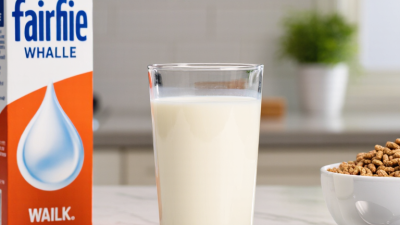
Global buyers often see whole milk as a familiar product, yet its nutrition label can change the purchasing decision. Fairlife whole milk nutrition deserves careful attention because filtration, fortification, serving sizes, and regional labeling rules may differ. A carton beside breakfast cereal can look simple, but its protein, fat, sugar, calcium, and calorie values require closer reading.
Bonnie Taub-Dix, RDN, offers a useful principle: “Read it before you eat it.” That advice fits fairlife whole milk nutrition especially well. Buyers should compare the declared serving size with household use, then check whether the product contains added nutrients or only naturally occurring milk components. Whole milk generally provides more fat than reduced-fat varieties, which may improve texture and satiety but also increase total energy intake.
The seven tips in this guide connect label evidence with practical buying decisions. They consider protein content, lactose claims, ingredient lists, refrigeration, package size, and local nutrition standards. Global shoppers should not assume that one market’s carton matches another market’s formulation. Regulations matter.
One detail is easy to miss.
A higher protein number does not automatically make a product suitable for every diet. People with milk allergies, specific medical conditions, or dietary restrictions should seek professional advice before choosing it. I may be overly cautious, but nutrition comparisons deserve that caution. Product formulas can change, and online descriptions may become outdated. Checking the current package remains the most reliable step for responsible purchasing.
Fairlife Whole Milk: Product Profile and Core Nutrition Facts
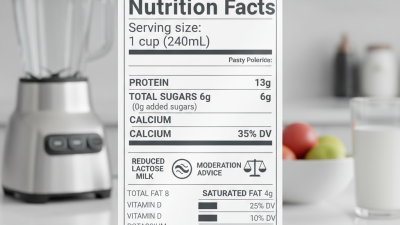
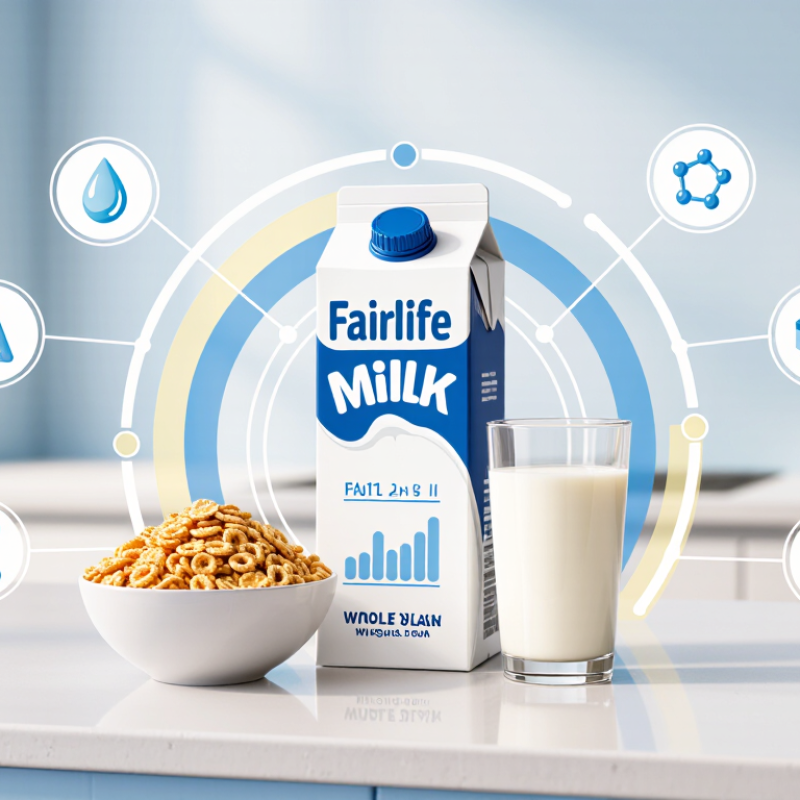
For global buyers, whole milk is best assessed from the package, not its reputation. This product is ultra-filtered, refrigerated dairy milk made from cow’s milk. Filtration can reduce lactose while concentrating protein, although the exact process varies by market. A typical 240-milliliter serving provides about 150 calories, 8 grams of fat, and 13 grams of protein. It may contain roughly 6 grams of total sugar, mainly naturally occurring lactose. Check the local label. Formulations and serving sizes can change.
The protein level supports breakfast, smoothies, and post-exercise meals, but it does not make milk a complete diet. Whole milk also supplies calcium, vitamin D, vitamin A, and phosphorus, depending on fortification rules. Its creamy texture comes from the higher fat content. That can improve satiety, yet it also raises energy intake.
A buyer comparing countries should review saturated fat, sodium, allergens, and storage instructions. Refrigeration is essential. Do not rely on online listings alone.
In practical use, I would shake the carton gently before pouring and measure portions with a kitchen cup. That small habit reduces accidental overuse. Taste can seem sweeter when lactose is lower, but personal perception differs. Some shoppers may still experience discomfort. “Lactose-free” claims need careful checking. They may indicate reduced lactose, not suitability for every dairy allergy. I would also question whether the package size fits local cold-chain delivery. Nutrition is only one part of a reliable buying decision.
Seven Key Nutrition Tips for Evaluating Fairlife Whole Milk
Seven Key Nutrition Tips for Evaluating Whole Milk
Global buyers should inspect the nutrition panel before trusting front-label claims. Check the serving size first, because a 250-milliliter portion may differ from a local standard. Compare calories and protein per 100 milliliters, not only per container. Review total fat and saturated fat, especially when planning daily intake. Whole milk often contains meaningful fat, but exact values vary by processing and market. Check the sugar line and ingredient list for added sweeteners. Plain milk naturally contains lactose, so total sugars do not automatically indicate added sugar.
Look for calcium and vitamin D values, then compare them with local dietary guidance. Fortification practices differ between countries. Read the allergen statement carefully, including milk proteins and possible facility warnings. Confirm whether the product is suitable for children, older adults, or people managing lactose sensitivity; professional advice may be needed. Check the production date, refrigeration instructions, and temperature requirements during shipping. A perfect label cannot rescue poor cold-chain handling. I have seen buyers compare price first and nutrition later, which is understandable but incomplete. Rechecking the label after arrival is wiser, since packaging, serving sizes, and regulations may change. Keep a photo of the panel for purchasing records. Small details matter.
Seven Key Nutrition Tips for Evaluating Whole Milk
Use the percentage of Daily Value (%DV) per 240 mL reference serving to compare nutrition labels. Higher values are not always better: prioritize protein, calcium, and vitamin D while monitoring saturated fat, sodium, and total carbohydrate.
Reference values are based on a typical fortified whole-milk serving and U.S. FDA Daily Values. Formulations and labeling standards may vary by country.
Allergen, Ingredient, and Dietary Suitability Checks
Whole milk can look simple, but global buyers should inspect more than calories and fat. Check the allergen statement for milk, and look for warnings about cross-contact with soy, nuts, or other ingredients. Allergy wording differs by country, so do not rely on a familiar label format. Read it twice.
Review the complete ingredient list, not only the front panel. A basic whole milk product may contain milk and vitamin additions, while another version may include stabilizers, sweeteners, or flavoring. Compare the ingredient order and serving size with local dietary needs. “No added sugar” does not always mean carbohydrate-free. Natural milk sugar still matters for people managing blood glucose or lactose sensitivity.
Dietary suitability requires careful interpretation. Whole milk is usually unsuitable for vegan diets and milk-protein allergies. Lactose-free products may help some people with lactose intolerance, but they still contain milk proteins. They are not automatically safe for dairy allergies. This distinction is easy to miss.
Buyers should also check refrigeration instructions, country-of-origin details, halal or kosher certification, and local import requirements. Certification symbols can vary, and online listings may show outdated packaging. That has happened before. When evidence is unclear, request a current product specification sheet from the seller. A dietitian or qualified food professional can help assess medical restrictions, especially for children, pregnancy, or multiple allergies.
Global Buying, Label Comparison, Storage, and Safety Guidance
Global buyers should read whole-milk labels before comparing nutrition. Serving sizes differ across countries, so compare equal volumes, such as 100 millilitres. Check energy, total fat, saturated fat, protein, calcium, and added vitamins. Fortification varies by market. A higher calcium number does not automatically mean better quality.
Tip: Review the ingredient list and allergen statement. Plain whole milk usually has a short ingredient list, but processing may differ. Pasteurized milk needs refrigeration, while shelf-stable milk belongs in a cool cupboard only when the package confirms it. Check the date format carefully. Day-month and month-day systems can cause mistakes. I have found that familiar packaging can still hide unfamiliar information.
Tip: Protect the cold chain. Keep refrigerated milk at 0–4°C when possible, and store it on a refrigerator shelf rather than the door. Do not buy containers with swelling, leaks, broken seals, or unusual separation. After opening, refrigerate promptly and follow the package’s use-by guidance. Two hours outside refrigeration is already risky, especially in hot climates. Smell alone cannot prove safety. Buyers should also confirm local import rules, language requirements, and allergen declarations. A dietitian or food-safety professional can help when nutrition needs are specific.