How to Source Fairlife Lactose Free Milk Wholesale?
Sourcing fairlife lactose free milk wholesale requires more than finding a low advertised price. Buyers must confirm product availability, authorized supply channels, storage conditions, and delivery reliability. Fairlife products may be distributed differently across regions, so supplier claims should be checked carefully. Product names, package sizes, and wholesale terms can also vary by market.
A practical review should request a current price list, minimum order quantity, production dates, expiration dates, and lot information. Ask whether the milk ships refrigerated and how temperature is monitored during transport. A reliable supplier should provide clear invoices, business details, and traceable product documentation. Photos of sealed cases can help, but they are not enough. Verify the details independently.
Cold-chain performance matters. A damaged carton or warm delivery can affect customer trust and create avoidable losses. Buyers should compare the landed cost, not only the case price. Include freight, storage, insurance, and possible spoilage. It is easy to overlook these expenses. That is a common planning weakness.
This guide explores practical ways to evaluate distributors, wholesale platforms, and direct purchasing options for fairlife lactose free products. It also considers buyer volume, regional restrictions, shelf life, and reorder timing. No sourcing plan is perfect. Demand forecasts can be wrong, and supplier inventory can change without warning. Careful records, small trial orders, and documented communication can reduce these risks while supporting more dependable purchasing decisions.
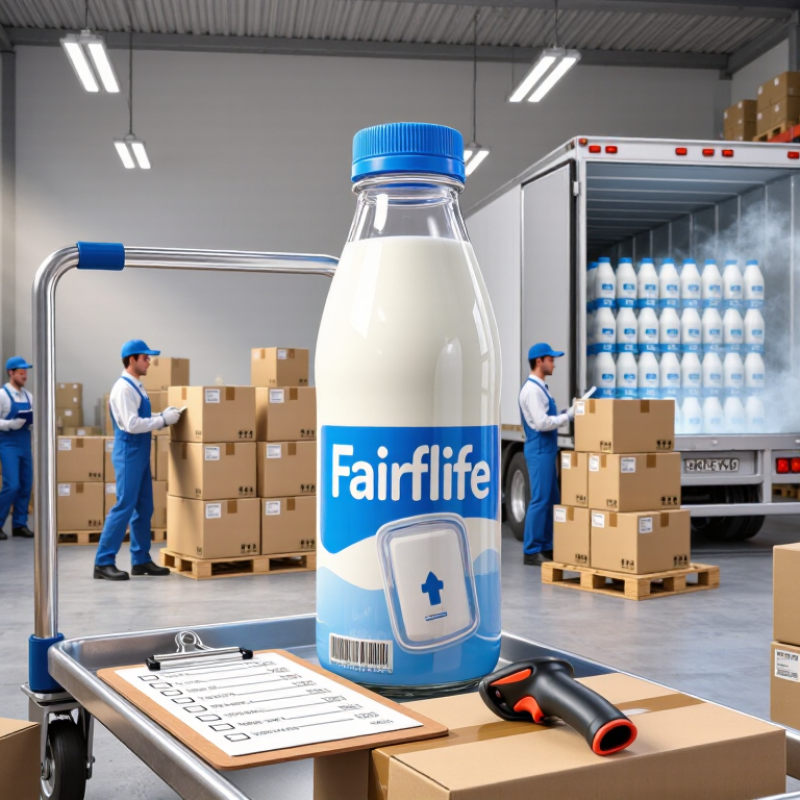
Define Fairlife Lactose-Free Milk Wholesale Requirements
When sourcing lactose-free milk wholesale, define your requirements before contacting suppliers. Specify the milk type, fat level, bottle size, case count, and expected monthly volume. A café may need 250-milliliter cartons, while a retailer may prefer larger family packs. State your target delivery area and acceptable lead time. Cold-chain handling must remain consistent from the warehouse to your receiving dock.
Ask suppliers for ingredient lists, nutrition panels, allergen statements, and current shelf-life details. Request temperature records when possible. Confirm the minimum order quantity, pallet configuration, payment terms, and replacement policy for damaged goods. Wholesale prices can look attractive until freight, storage, and short-dated stock are included. Product samples also matter. Texture and sweetness may differ more than expected.
Tips: Build a simple requirement sheet and send it to several qualified distributors. Compare delivered cost, not only unit price. Check whether outer cases arrive dry, sealed, and clearly dated. Keep a small trial order before committing to regular volume. This step can feel inefficient, but it may reveal poor handling early. I would also leave room for revision; demand forecasts are often wrong during seasonal changes. Reliable sourcing depends on documented specifications, careful receiving checks, and communication that stays specific.
How to Source Lactose-Free Milk Wholesale: Define Procurement Requirements
Use these temperature benchmarks when evaluating suppliers and logistics partners. Chilled milk should remain at or below 4°C during storage, transport, and receiving, while high-temperature short-time pasteurization commonly uses at least 72°C for 15 seconds. Buyers should also request lactose-testing documentation, shelf-life data, packaging specifications, certificates of analysis, and a documented cold-chain process.
Identify Authorized Wholesale Suppliers and Distribution Channels
Sourcing lactose-free milk wholesale starts with the right authorized channel.
Contact the product manufacturer’s commercial sales department or approved regional distributor. Ask for a current supplier list, resale requirements, minimum order quantities, and delivery territories. A legitimate supplier should provide company registration details, product specifications, invoices, and traceable lot information. Avoid relying only on marketplace listings. They may show attractive prices but unclear sourcing.
Foodservice distributors, grocery wholesalers, and cold-chain logistics companies can offer different advantages. Foodservice suppliers often support restaurants with scheduled deliveries. Grocery wholesalers may provide mixed pallets and wider regional coverage. Cold-chain specialists help protect refrigerated products during transport. Request temperature records, delivery windows, pallet dimensions, and damage procedures. Check whether the warehouse maintains suitable refrigeration before placing a large order. A small trial order is safer, although it may produce a higher unit cost.
Tips:
Compare at least three authorized suppliers. Confirm shelf life at delivery. Inspect seals, carton condition, and lot codes immediately. Keep written records of every conversation. Ask who handles recalls or damaged cases. One detail is easy to miss: confirm that your storage capacity matches the minimum order. I once underestimated this issue, and excess stock created pressure before its best-before date. Recheck the numbers.
Verify Product Authenticity, Compliance, and Shelf Life
Sourcing lactose-free milk wholesale requires more than comparing case prices. Ask suppliers for manufacturer-issued invoices, product specifications, lot numbers, and current certificates. Match the lot code on each carton with the shipping documents. A clean pallet is not proof of authenticity.
Inspect cartons when they arrive. Check seals, print quality, nutrition panels, and expiration dates. Confirm that the product stayed within the required refrigerated range during transit. A temperature logger can reveal hidden exposure, especially after weekend deliveries. Verify allergen statements and lactose-free claims against the rules in your selling market. Requirements may differ by country or region, so use a qualified compliance professional when details remain unclear.
Tips: Request samples before placing a large order. Photograph lot codes and pallet temperatures at receiving. Keep records for every shipment. Aim for useful shelf life, not merely the latest date. A date can look acceptable while slow transport reduces real selling time. I would also question unusually low pricing; it may reflect short-dated inventory or unclear sourcing. This step is easy to skip. It should not be. Supplier answers should be specific, written, and consistent across documents. Even careful buyers can miss a mismatch, so a second review is worthwhile.
Compare Wholesale Pricing, Minimum Orders, and Shipping Terms
Sourcing lactose-free milk wholesale requires comparing landed cost, not only the case price. In practice, I request quotes for identical pack sizes, chilled shelf life, and delivery zones. A useful benchmark comes from USDA ERS Food Price Outlook data, which recorded a 2.2% rise in food-at-home prices during 2024. That increase can quickly affect refrigerated dairy budgets.
Wholesale offers often range from 6 to 12 cases per order, with each case containing 6 or 12 cartons. A lower minimum order may suit a café, but its unit price can be higher. For example, a 12-carton case at $31 costs $2.58 per carton before freight. A 40-case order at $27 saves money, yet requires more storage and faster sales. Do not ignore spoilage.
Shipping terms deserve equal attention. USDA Agricultural Marketing Service Dairy Market News reports regional fluid-milk pricing and transportation conditions, which helps buyers question unusually low quotes. Ask whether prices include refrigerated delivery, fuel surcharges, liftgate fees, and temperature-controlled handling. Some suppliers offer delivered pricing; others use FOB terms, shifting freight risk to the buyer.
I also compare delivery windows, pallet requirements, and claims procedures. The International Refrigerated Transportation Association has repeatedly emphasized temperature control as a major cold-chain cost factor. My earlier mistake was comparing invoices without adding accessorial charges. A spreadsheet showing case price, freight, minimum order, shelf life, and expected waste gives a more honest comparison. Availability can change weekly. Recheck quotes before signing.
How to Source Fairlife Lactose Free Milk Wholesale? - Compare Wholesale Pricing, Minimum Orders, and Shipping Terms
Buying note: Wholesale prices vary by region, order volume, product size, remaining shelf life, fuel costs, and seasonal availability. Confirm the exact case count, sell-by date, refrigerated temperature range, freight charge, and damage-claim policy before placing an order.
Pricing and order quantities are practical U.S. wholesale-market benchmarks for refrigerated lactose-free milk and should be treated as quotation ranges rather than fixed offers.
Place the Order and Manage Ongoing Supply Relationships
Place the Order and Manage Ongoing Supply Relationships
Before placing a wholesale order, confirm pack size, minimum quantities, shelf life, and delivery temperature requirements. Ask for current product specifications and allergen documentation. Keep every detail in writing. A clear purchase order should include quantities, agreed pricing, delivery dates, payment terms, and acceptable substitutions. Request lot codes and expiration dates before dispatch when possible. This makes receiving checks faster and more reliable.
Use a simple receiving routine at the warehouse. Check carton condition, count cases, and record the temperature immediately. Photograph damaged cartons before signing the delivery receipt. Store the milk according to the supplier’s instructions, with older stock positioned in front. Our team once overestimated weekend demand and held too much inventory. The forecast looked reasonable, but local sales changed quickly. We now compare weekly sales with remaining shelf life before reordering.
A stable supply relationship needs regular, practical communication. Share a rolling forecast, even if it is only four weeks. Confirm the next shipment several days before loading. Discuss delays early, rather than waiting for a missed delivery. Review fill rates, short shipments, product condition, and invoice accuracy each month. Small errors can become expensive patterns. If supply problems continue, request a corrective plan and a named contact. Keep a backup source qualified, but do not switch casually. Trust matters, yet documented performance matters more. Fresh information prevents avoidable surprises.