What Are the Ingredients in Lactose Free Milk?
Lactose free milk has gained popularity among those with lactose intolerance. It offers the creamy taste of regular milk without the discomfort. Understanding the lactose free milk ingredients can help consumers make informed choices.
The primary ingredient in lactose free milk is cow's milk that has undergone special processes. The lactose found in regular milk is broken down into simpler sugars. This benefits those who struggle to digest lactose. Often, a lactase enzyme is added to the milk, ensuring it remains lactose-free. This process does not alter other essential nutrients, making it a viable milk alternative.
Other ingredients may be present. Some brands add vitamins or minerals to enhance nutritional value. In contrast, certain products include flavoring or stabilizers. Not all lactose free milk is the same, and labels should be checked. The varying ingredients can reflect the brand's quality and production methods. Choosing the right lactose free milk requires consideration and reflection on individual dietary needs.
Understanding Lactose Free Milk and Its Purpose
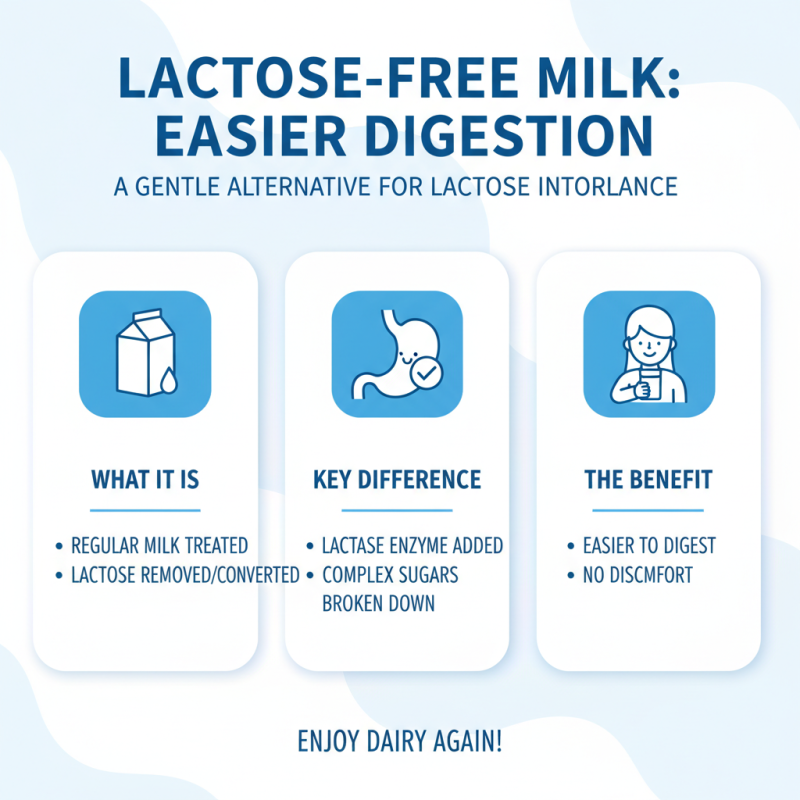
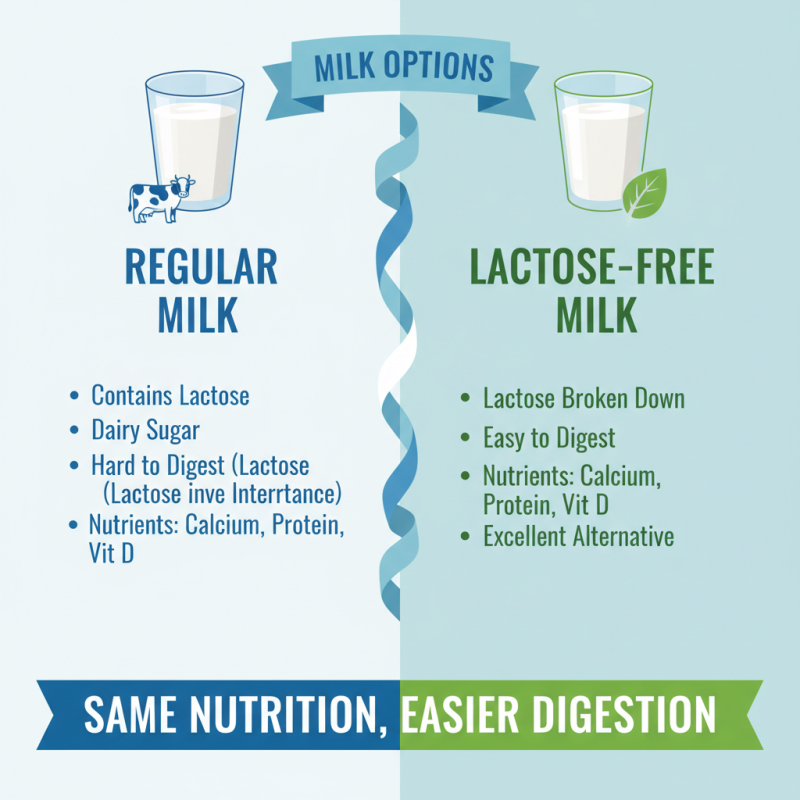
Lactose-free milk is a popular choice for those who are lactose intolerant. It offers a way to enjoy dairy without the discomfort that comes from traditional milk. The process begins with regular milk, which contains lactose, a sugar that some people cannot digest. Enzymes are added to break down lactose into simpler sugars, glucose and galactose. This transformation ensures that individuals can enjoy milk without digestive issues.
Many people appreciate the taste and texture of lactose-free milk. It often retains the same creamy consistency as regular milk. However, not everyone likes the difference. Some find it slightly sweeter due to the breakdown of sugars. This variance might not appeal to all, leading to mixed reactions.
Understanding lactose-free milk means recognizing both its benefits and its shortcomings. It is an excellent alternative for those with dietary restrictions. However, it may not be suitable for everyone. Some may still experience symptoms despite consuming lactose-free options. This invites reflection on dietary choices and personal tolerance. Each individual’s body responds differently, making it essential to know your own needs.
Key Ingredients in Lactose Free Milk: A Breakdown
Lactose free milk offers a great alternative for those with lactose intolerance. The key ingredient is milk that has had lactose removed or converted into simpler sugars. This process makes it easier to digest.
Additionally, lactase enzyme is often added. This enzyme breaks down lactose, allowing those sensitive to it to enjoy dairy. A study from the Journal of Dairy Science indicates that lactose free milk retains similar nutritional properties as regular milk. It still provides calcium, vitamin D, and protein, which are essential for bone health.
**Tips:** When choosing lactose free milk, check the labels. Not all products are the same. Some may contain added sugars. Always read the ingredients list carefully. It’s important to listen to your body. If you feel discomfort, consider further dietary adjustments.
Finding the right lactose free milk can take time. You might not like the taste at first. Experimenting with different brands may yield better results. Remember, everyone's taste is different; what works for one person may not work for another.
Lactase Enzyme: The Key Component in Lactose Free Milk
Lactose-free milk is a popular choice for those who are lactose intolerant. The main ingredient that sets it apart is the lactase enzyme. This enzyme breaks down lactose, the sugar found in regular milk, into simpler sugars like glucose and galactose. This process makes it easier to digest.
When adding lactase to milk, it creates a sweeter taste. Some people might prefer this flavor, while others find it unfamiliar. The enzyme can be derived from yeast or fungi. However, not all sources are created equal. Some individuals may still experience discomfort even with lactose-free options.
The production of lactose-free milk is fascinating. The milk is treated by adding lactase, either before or after pasteurization. This step is crucial to ensure the enzyme works effectively. Still, there is room for improvement. Some methods may lead to variations in taste or texture. Experimenting with different processes might lead to better results in the future.
What Are the Ingredients in Lactose Free Milk?
| Ingredient |
Description |
Function |
| Milk |
Dairy product from cows, naturally containing lactose. |
Base of lactose-free milk. |
| Lactase Enzyme |
Enzyme added to break down lactose. |
Converts lactose into glucose and galactose for easier digestion. |
| Vitamin D |
A fat-soluble vitamin added for nutritional benefits. |
Helps in calcium absorption and supports bone health. |
| Calcium |
Mineral that is often added to enhance nutritional value. |
Essential for bone strength and health. |
| Flavoring Agents |
Natural or artificial flavoring added for taste. |
Enhances the flavor profile of the milk. |
Possible Additives and Flavors in Lactose Free Milk Products
Lactose-free milk caters to those with lactose intolerance. However, it often contains additives and flavors that enhance taste and shelf life. These additions can vary widely among products. Some contain enzymes that break down lactose, while others might include stabilizers to improve texture.
Natural flavors are common in flavored lactose-free milk. Chocolate and vanilla are popular choices. They entice consumers but may hide the fact that the base product has undergone processing. A survey showed that about 40% of consumers prefer flavored options over plain milk. This suggests an opportunity for brands to innovate.
Additives like carrageenan and various vitamins are often included. Carrageenan helps maintain consistency but has been a topic of debate regarding health impacts. Vitamin D is typically added for nutrition, and some brands fortify with calcium. The industry faces challenges, such as balancing health benefits with consumer preferences for clean labels. Despite these trends, clarity in labeling remains a concern for many shoppers.