Low Fat Cottage Cheese Tips for Global Buyers?
Low fat cottage cheese has become increasingly popular among health-conscious consumers worldwide. This creamy, protein-rich dairy product offers a versatile addition to various meals and snacks. It’s not just a low-calorie option; it also provides essential nutrients that support a balanced diet. Many people seek it out for weight management and muscle preservation.
When purchasing low fat cottage cheese, quality can differ significantly between brands and regions. Texture, flavor, and freshness are key factors to consider. Importantly, consumers should be aware of the ingredients list. Some brands add stabilizers or preservatives that might alter the cheese’s health benefits. Opting for organic or natural options can often yield better results.
While low fat cottage cheese can be a nutritious choice, not all products are created equal. Experimenting with different brands can be enlightening. Taste tests may reveal surprising preferences. Ultimately, a thoughtful approach to selecting the best low fat cottage cheese can enhance your culinary experience.
Understanding Low Fat Cottage Cheese: A Global Overview
Low fat cottage cheese is gaining popularity worldwide for its nutritional benefits and versatility. Many people appreciate its high protein content and low calorie count. This cheese can serve as a healthy snack or a key ingredient in various recipes. In different countries, it may be used differently, reflecting local culinary traditions.
In the United States, low fat cottage cheese often appears in breakfast dishes or as a topping for salads. Meanwhile, in some European countries, it features prominently in desserts and pastries. Understanding how low fat cottage cheese is integrated into various diets can help global buyers make informed choices.
Yet, it's essential to consider personal taste and texture preferences. Not everyone enjoys the curdy consistency of cottage cheese. Some may find it unappealing, while others cherish it. This discrepancy invites reflection on the importance of trying new foods. Buyers should explore various brands and styles, as not all low fat cottage cheese is created equal.
Key Health Benefits of Low Fat Cottage Cheese for Consumers
Low fat cottage cheese is a powerhouse of nutrition. It offers a significant source of protein with low calories. A 1-cup serving typically contains about 27 grams of protein and 206 calories. This makes it an excellent option for those seeking to manage their weight while boosting their protein intake. Research shows that high-protein diets can enhance metabolic rates. This effect is crucial for individuals looking to lose weight healthily.
The calcium content in low fat cottage cheese is another notable benefit. It plays a vital role in bone health, especially for older adults. A cup can provide approximately 25% of the daily recommended calcium intake. Additionally, a study published in the Journal of Nutrition found that calcium can contribute to weight management. However, some people may experience lactose intolerance. This can lead to digestive discomfort. Therefore, understanding one's tolerance is essential.
Moreover, low fat cottage cheese contains B vitamins, which are crucial for energy metabolism. Vitamin B12 alone is linked to improved energy levels and cognitive function. Yet, low fat versions may sometimes contain added sodium. It’s wise for consumers to check labels. Balancing health benefits with sodium intake can be tricky, but it remains important for overall health.
Health Benefits of Low Fat Cottage Cheese
Selecting the Right Low Fat Cottage Cheese: A Buying Guide
When choosing low-fat cottage cheese, consider the protein content. Higher protein levels provide better nutrition. Look for options with at least 10 grams of protein per serving. This promotes muscle health and aids in weight management.
Texture and taste matter too. Some brands offer a creamy texture, while others are more grainy. Test a few varieties to find your preference. This can enhance your recipes, whether you're mixing it into smoothies or using it in savory dishes.
Pay attention to the ingredients list. Avoid products with added sugars or artificial flavors. Natural options are usually healthier. Look for labels that indicate minimal processing. Checking the expiration date ensures freshness and quality. A thoughtful selection can greatly impact your meals and overall health.
Popular Global Brands and Varieties of Low Fat Cottage Cheese
When exploring low fat cottage cheese, global buyers encounter a variety of exciting options. Popular brands often feature unique textures and flavors. Some emphasize a creamier consistency, while others prioritize a chunkier style. Many brands infuse ingredients like herbs or fruits to cater to diverse tastes. This creative approach broadens appeal and encourages consumers to try different varieties.
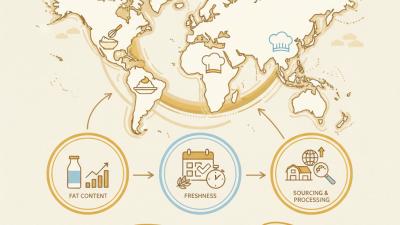
In Europe, some low fat cottage cheese is celebrated for its tangy flavor profile. These products are often used in traditional dishes, enriching meals with protein and nutrition. In North America, many options prioritize high protein content and low sugar levels. Shoppers may find it challenging to choose from so many styles. Each region showcases its own preferences and nuances regarding cottage cheese.
Understanding these variations is key for informed purchasing. However, the options can feel overwhelming. It's essential to read labels closely to ensure quality and nutritional value. For every enticing product, there's also a risk of choosing one that's less satisfying. Balancing personal taste with health goals requires careful consideration and reflection. Explore, taste, and appreciate the many dimensions of low fat cottage cheese available worldwide.
Low Fat Cottage Cheese Tips for Global Buyers
| Country |
Brand Type |
Protein per 100g |
Fat Content |
Caloric Value |
Common Use |
| USA |
Organic |
11g |
1.5g |
81 kcal |
Salads, Smoothies |
| Italy |
Regular |
12g |
0.5g |
70 kcal |
Pasta Dishes, Appetizers |
| Germany |
Low-Calorie |
10g |
1g |
75 kcal |
Baking, Snacks |
| France |
Artisan |
11g |
2g |
80 kcal |
Desserts, Pairing |
| Australia |
Light |
9g |
3g |
65 kcal |
Healthy Snacks, Dips |
Tips for Incorporating Low Fat Cottage Cheese into Meals and Snacks
Low fat cottage cheese can be a versatile addition to many meals and snacks. Its high protein content, around 11 grams per half-cup, makes it an excellent choice for those seeking to maintain or build muscle while keeping calorie intake low. According to a report by the American Dairy Association, incorporating cottage cheese into diets can aid weight management due to its satiating properties. Many find it a great substitute for higher-fat alternatives in recipes like salads or pasta dishes.
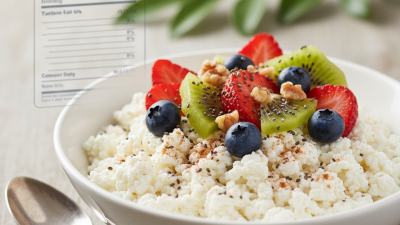
Mixing low fat cottage cheese with fruits can create a refreshing snack. Berries, peaches, or pineapple add natural sweetness and nutrients. A study published in the Journal of Nutrition highlighted that pairing high-protein foods with fruits can enhance overall meal satisfaction. For a quick breakfast, try spreading it on whole-grain toast. Adding a drizzle of honey or a sprinkle of cinnamon can elevate the flavor without adding excessive calories.
However, not everyone enjoys its texture or taste. Some might find the mouthfeel grainy compared to other dairy products. Learning to incorporate it with various spices and herbs can mitigate this. Chefs often recommend blending it into smoothies for a creamier consistency. Adapting recipes or preparation methods can help foster a more enjoyable experience.