Why Is Nutrition in Skim Milk Essential for a Healthy Diet?
Nutrition in skim milk plays a vital role in any healthy diet. Many people overlook its benefits. This beverage offers essential vitamins and minerals that our bodies need. It provides calcium, which is crucial for strong bones. Additionally, skim milk is lower in calories and fat than whole milk.
Some might argue it lacks flavor. Yet, its nutritional advantages outweigh these concerns. With the right balance, nutrition in skim milk complements various diets. It can support weight management and overall wellness. Moreover, it is rich in protein, which aids in muscle repair.
Many individuals are unaware of the importance of nutrition in skim milk. This oversight can lead to missed opportunities for health improvement. Incorporating it into daily meals may seem simple. But, it can significantly enhance dietary quality. Reflecting on our choices is essential as we strive for better health.
The Nutritional Profile of Skim Milk: A Comprehensive Overview
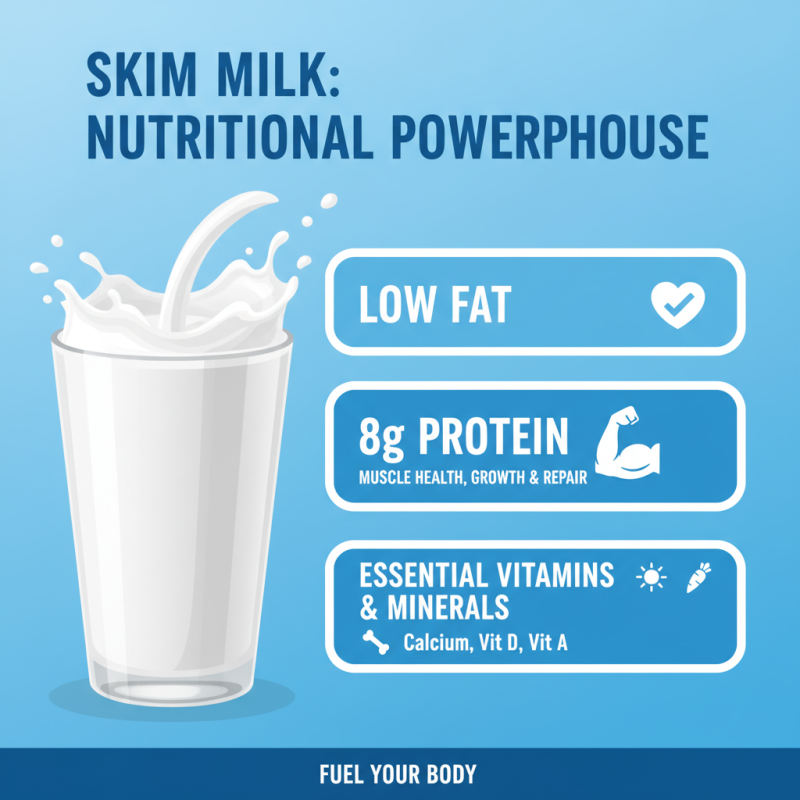
Skim milk offers a unique nutritional profile. It is low in fat yet rich in essential nutrients. A cup of skim milk contains around 8 grams of protein. This protein supports muscle health and keeps you satiated. Additionally, skim milk is fortified with vitamin D and calcium. These nutrients are vital for strong bones and overall health.
Tips: When choosing skim milk, check the nutritional labels. Look for options that are fortified for extra health benefits. You can also incorporate it into smoothies or oatmeal for added creaminess.
Despite its benefits, some struggle with the taste compared to whole milk. This can result in consumers not choosing skim milk as their primary dairy source. If you're one of those, try mixing skim milk with favorite flavors, like cocoa or vanilla. This minor change can help you enjoy the health benefits without compromising on taste.
Key Vitamins and Minerals Found in Skim Milk and Their Benefits
Skim milk is often overlooked in discussions about nutrition, yet it packs a nutritional punch. It's a low-fat option that provides essential vitamins and minerals. One cup of skim milk contains about 8 grams of protein. This protein supports muscle health. It is vital for growth and repair in our bodies.
Calcium is a standout nutrient in skim milk. Each serving typically offers around 30% of the daily calcium requirement. Calcium is crucial for bone health, especially in children and the elderly. However, many people fail to meet their calcium needs. This deficiency can lead to issues like osteoporosis.
Additionally, skim milk is fortified with vitamin D. This vitamin enhances calcium absorption, making it even more beneficial for bone health. According to the National Institutes of Health, about 40% of Americans are vitamin D deficient. Incorporating skim milk into your diet can help bridge this gap. It might be small changes that lead to significant health benefits.
The Role of Protein in Skim Milk for Muscle and Tissue Health
Protein is a key component of skim milk, contributing significantly to muscle and tissue health. A study published in the Journal of Nutrition highlights that protein accounts for about 35% of the total content in skim milk. This is vital for muscle repair and growth, especially after exercise. Consuming protein helps in synthesizing new tissues. Yet, not everyone consumes enough.
The recommended dietary allowance (RDA) for protein is 46 grams for women and 56 grams for men. Many individuals fall short of these targets. Skim milk provides an accessible protein source, offering approximately 8 grams of protein per cup. This can benefit both active individuals and those looking to improve their overall health. However, awareness is crucial. People often overlook this nutritious liquid while opting for higher-calorie options.
Moreover, while protein is essential, balance in the diet is equally important. Excessive protein intake can stress the kidneys. Adjustments and personalized nutrition plans are necessary. Understanding the role of skim milk can lead to better dietary choices. People should reevaluate their meal plans and consider the benefits of this often-neglected beverage. Skim milk, with its rich protein profile, deserves a place in a balanced diet.
Comparing Skim Milk to Whole Milk: Nutritional Differences Explained
Skim milk offers a different nutritional profile compared to whole milk. It contains less fat, which reduces calorie intake. This can be appealing to those managing their weight. Skim milk still retains essential nutrients like calcium, vitamin D, and protein. These components are crucial for bone health and muscle repair.
However, removing fat also means losing certain beneficial fatty acids. Some argue this makes skim milk less satisfying. Many individuals find they crave more when drinking skim. It's worth considering whether this could lead to overconsumption of other foods later. Furthermore, the creamy texture of whole milk appeals to many, enhancing the enjoyment of meals.
Ultimately, the choice between skim and whole milk depends on personal health goals and preferences. Skim milk may fit better in a calorie-conscious diet, but the richness of whole milk can provide a sense of fullness. Reflecting on these aspects can help inform better dietary decisions tailored to individual needs.
Why Is Nutrition in Skim Milk Essential for a Healthy Diet? - Comparing Skim Milk to Whole Milk: Nutritional Differences Explained
| Nutritional Component |
Skim Milk (1 cup) |
Whole Milk (1 cup) |
| Calories |
83 |
149 |
| Total Fat |
0.2 g |
7.7 g |
| Saturated Fat |
0.1 g |
4.5 g |
| Protein |
8.4 g |
7.7 g |
| Calcium |
302 mg |
276 mg |
| Vitamin D |
101 IU |
124 IU |
| Sugar |
12 g |
12 g |
Incorporating Skim Milk into a Balanced Diet for Optimal Health
Incorporating skim milk into a balanced diet can significantly enhance nutritional intake. Skim milk is rich in essential nutrients while being lower in calories than whole milk. A recent study shows that incorporating low-fat dairy can decrease the risk of osteoporosis by 30%. This is largely due to calcium and vitamin D found in milk, both crucial for bone health.
Many people overlook the importance of protein in skim milk. A cup contains around 8 grams of high-quality protein, which is vital for muscle repair and growth. For those trying to lose weight, protein can curb hunger, leading to lower calorie consumption. However, some may struggle with lactose intolerance, making it difficult to enjoy skim milk without discomfort.
Skim milk also plays a role in promoting heart health. It contains potassium, which can help regulate blood pressure. However, some may find it bland or unappealing. It's essential to explore various recipes, such as smoothies or soups, to incorporate it creatively. Meanwhile, others might still gravitate towards whole milk due to taste preferences. Balancing personal preferences with nutrition can be challenging yet rewarding.
Nutrition in Skim Milk vs Whole Milk
This chart compares the nutritional values of skim milk and whole milk per 1 cup (240 ml) serving. It highlights key nutrients that contribute to a balanced diet.