What is the Nutrition Value of Chocolate Milk?
Chocolate milk is a popular drink enjoyed by many. Its creamy texture and sweet taste appeal to both children and adults. But what about its nutritional value? Understanding chocolate milk nutrition is important for making informed choices.
Chocolate milk contains essential nutrients like calcium and vitamin D. These nutrients support bone health and promote growth in children. Additionally, it offers a source of carbohydrates, which can be beneficial after physical activities. However, chocolate milk also tends to have added sugars. This can raise concerns about excess calorie intake.
While chocolate milk can be part of a balanced diet, moderation is key. Many people overlook the potential downsides. It’s crucial to evaluate how it fits into your overall nutrition plan. Make sure to read labels carefully, understanding what you consume. Balancing enjoyment with nutrition is a challenge worth exploring.
Understanding the Basic Composition of Chocolate Milk
Chocolate milk is a delightful beverage that combines milk and chocolate syrup. It has a creamy texture and a sweet taste. Many people enjoy it as a treat or a post-workout drink. But, what makes it special nutritionally?
The basic composition of chocolate milk includes dairy, sugar, and cocoa. Dairy provides calcium and protein, important for bone health and muscle recovery. Cocoa gives antioxidant properties, which may benefit overall health. However, the sugar content can be high. This is a point for reflection, especially for those monitoring their sugar intake.
Another aspect to consider is the calorie count. Chocolate milk can be higher in calories compared to regular milk. This might lead to unintentional overconsumption. It might be wise to choose the portion size carefully. While chocolate milk has its perks, moderation is key. Balancing its consumption with other nutrient-dense foods is important for overall health.
Nutritional Breakdown: Macronutrients in Chocolate Milk
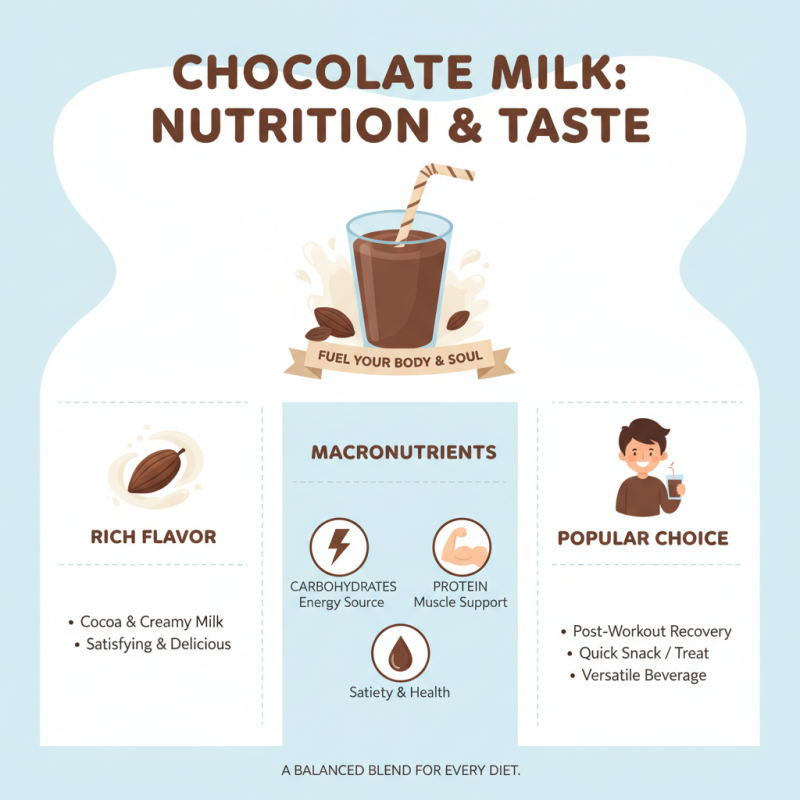
Chocolate milk combines the rich flavor of cocoa with the creamy goodness of milk. This delightful beverage offers a unique blend of macronutrients, making it a popular choice for many. In one serving, chocolate milk typically contains carbohydrates, proteins, and fats, catering to different dietary needs.
The primary macronutrient in chocolate milk is carbohydrates, which come mainly from added sugars. This quick energy source appeals to active individuals. On the other hand, the protein content helps with muscle recovery, especially after workouts. Interestingly, not all chocolate milk options contain the same protein levels. The fat content can vary as well, leading to different caloric values.
However, one must be cautious. Some chocolate milk can be high in added sugars. This can raise concerns for those monitoring their sugar intake. Additionally, flavor additives might mask the nutritional profile. It’s worth reflecting on what you truly want from your drink. Chocolate milk can be a treat, but balance is key in achieving your dietary goals.
Essential Vitamins and Minerals Found in Chocolate Milk
Chocolate milk is not just a delicious treat; it’s also packed with essential vitamins and minerals. This beverage typically contains calcium, which is vital for strong bones. One cup can provide about 30% of the daily recommended intake for adults. This mineral is crucial during childhood, helping to build a solid foundation for growth.
In addition to calcium, chocolate milk is rich in vitamin D. This vitamin assists in calcium absorption, amplifying the benefits of chocolate milk. It can be especially helpful in areas with limited sunshine. This nutrient helps maintain overall health, but not everyone gets enough of it. Iron, another component, supports red blood cell function and energy production, making it an excellent choice post-exercise.
Chocolate milk also contains potassium, which aids in muscle function. It’s interesting how a once-simple drink can hold such nutritional depth. Yet, depending on the brand or preparation, sugar levels can be high. It’s important to be mindful of this, as excessive sugar can counteract the health benefits. Balancing enjoyment and health is key, and chocolate milk offers a flavorful way to incorporate vital nutrients into the diet.
Health Benefits of Consuming Chocolate Milk
Chocolate milk is more than just a delightful treat. It also offers several health benefits, making it a popular choice for many. Rich in essential nutrients, it contains calcium, vitamin D, and protein. These components are vital for bone health and muscle recovery. After a workout, chocolate milk can help replenish energy and promote healing.
One of the appealing aspects of chocolate milk is its ability to satisfy a sweet craving without sacrificing nutrition. However, it is essential to be mindful of sugar content. Some varieties may contain added sugars that can detract from its health benefits. Finding a balanced option is crucial. Moderation is key when integrating it into a healthy diet.
The creamy texture and rich flavor are comforting. Drinking chocolate milk can evoke feelings of nostalgia. It can remind one of childhood, yet it can also be an adult's guilty pleasure. If consumed mindfully, chocolate milk can indeed serve as a nutritious addition, but it requires thoughtful choices regarding ingredients.
Nutrition Value of Chocolate Milk
Chocolate milk is not only a delicious treat but also offers several nutritional benefits. This chart showcases the nutritional value per cup, highlighting key components such as calories, protein, carbohydrates, fat, and calcium content.
Potential Drawbacks and Considerations of Chocolate Milk Consumption
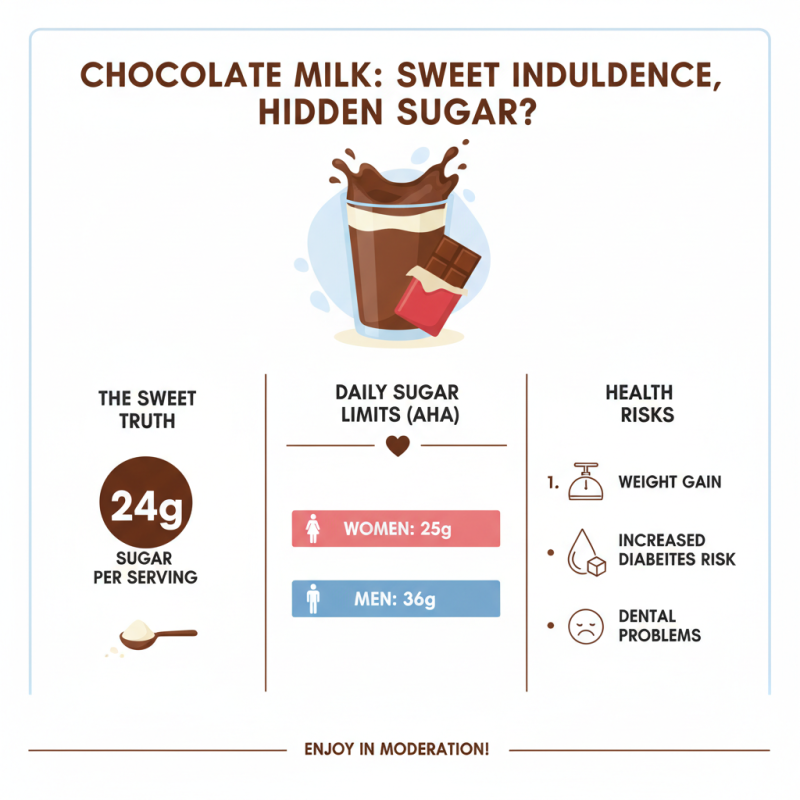
Chocolate milk offers a delicious taste but also comes with potential drawbacks. One major concern is its high sugar content. A typical serving can contain up to 24 grams of sugar. This amount is significant, considering the American Heart Association recommends limiting added sugars to 25 grams per day for women and 36 grams for men. Overconsumption can lead to weight gain and increased risk of diabetes.
Another consideration is that chocolate milk may not be suitable for everyone. For those who are lactose intolerant or allergic to dairy, traditional chocolate milk can cause digestive issues. Furthermore, even for non-allergic individuals, excessive consumption may contribute to unhealthy dietary patterns. It is important to balance chocolate milk with other nutritious foods.
Lastly, individuals should reflect on their overall nutrient needs. While chocolate milk provides protein and calcium, it may not be the best choice for those seeking a low-calorie drink. Seeking alternatives could be beneficial. In moderation, chocolate milk can still fit into a healthy diet, but awareness of these potential drawbacks is crucial for making informed choices.