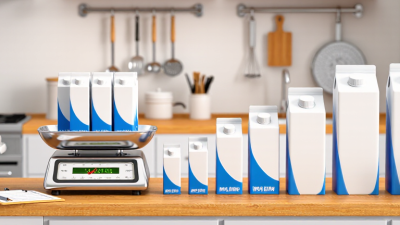
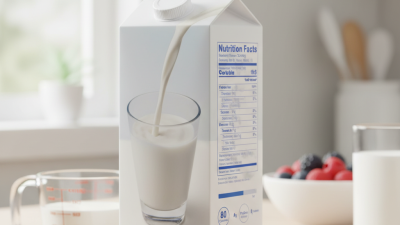
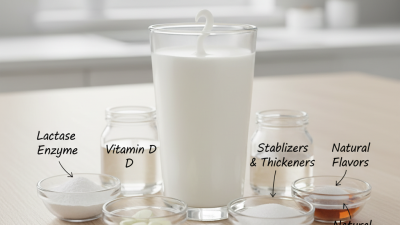
Choosing the right milk can feel surprisingly complicated. Fat-free milk comes in more forms than many shoppers expect, including conventional, organic, lactose-free, ultra-filtered, powdered, and fortified varieties. Each type may differ in protein, calcium, vitamin D, sugar, texture, and processing.
This guide examines the top 10 fat-free milk types and their nutrition facts. It focuses on practical details, such as the nutrients in one cup, the ingredient label, and how each option behaves in coffee, cereal, smoothies, or cooking. Fat-free milk nutrition is not simply about removing fat. Processing methods and added ingredients can change the final product.
Registered dietitian and nutrition expert Connie Diekman offers a useful perspective: “There is no one food that meets everyone’s nutritional needs.” That idea matters here. A lactose-free product may help one person, while another may prefer ordinary skim milk for its simple ingredient list. Some ultra-filtered options provide more protein, but they can cost more and taste slightly different.
The comparisons are based on common nutrition-label patterns and established dietary guidance. Still, labels vary by brand and country. Small differences matter.
This is not a perfect ranking. Personal tolerance, dietary goals, allergies, budget, and taste should influence the final choice. Read the label carefully, especially for added sugar, fortification, and serving size. Then consider which type fits your daily routine—not just which carton makes the boldest health claim.
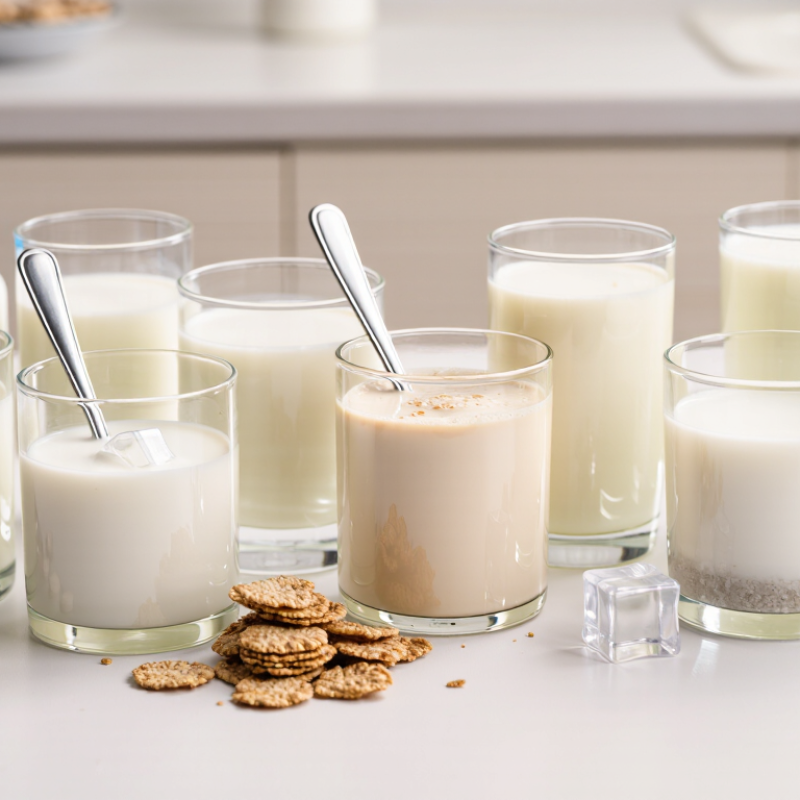
Top 10 Fat-Free Milk Types and Nutrition Facts?
Fat-free milk contains less than 0.5 grams of fat per serving under U.S. FDA labeling rules. It is also called skim or nonfat milk. Common varieties include refrigerated skim milk, UHT skim milk, lactose-free skim milk, fortified skim milk, cultured skim milk, powdered nonfat milk, evaporated skim milk, high-protein skim milk, organic skim milk, and reduced-sugar flavored skim milk. They are not nutritionally identical. Processing can change texture, sweetness, and vitamin levels.
According to USDA FoodData Central, one cup of fat-free milk provides about 83 calories, 8.3 grams of protein, 12.2 grams of carbohydrate, and 298 milligrams of calcium. Whole milk contains roughly 149 calories and 7.9 grams of fat per cup. Both provide similar protein, but whole milk feels creamier because of its fat content. Fat-free milk may taste thinner. That matters at breakfast.
The Dietary Guidelines for Americans recognizes low-fat and fat-free dairy as useful calcium and vitamin D sources. However, nutrition labels deserve a close look. Some flavored versions add considerable sugar, while lactose-free options may taste sweeter without added sugar. “Fat-free” also does not mean automatically healthier for every person. I have found that serving size changes the comparison quickly. A large glass can quietly double the listed calories and sugar. Nutritional needs, digestion, and taste should guide the choice.
Nutrition values below are typical estimates per 1 cup (240 mL) prepared or ready-to-drink serving. Values may vary by processing method and fortification. Fat-free milk generally contains no more than 0.5 g of fat per serving.
| # | Fat-Free Milk Type | Calories | Total Fat | Protein | Carbohydrates | Total Sugars | Calcium | Vitamin D | Key Characteristics |
|---|---|---|---|---|---|---|---|---|---|
| 1 | Regular Skim Cow's Milk | 83 kcal | 0.2 g | 8.3 g | 12.2 g | 12.2 g | 306 mg | 2.9 mcg | Naturally provides high-quality protein, calcium, potassium, and lactose. |
| 2 | Lactose-Free Skim Milk | 80–90 kcal | 0–0.5 g | 8 g | 11–13 g | 11–13 g | 280–320 mg | 2.5–3 mcg | Lactase enzyme breaks lactose into simpler sugars, making it easier to digest for many people. |
| 3 | Organic Skim Milk | 80–90 kcal | 0–0.5 g | 8 g | 12 g | 12 g | 280–320 mg | 2.5–3 mcg | Meets organic production standards; its basic macronutrient profile is similar to conventional skim milk. |
| 4 | Ultra-Pasteurized or UHT Skim Milk | 80–90 kcal | 0–0.5 g | 8 g | 12 g | 12 g | 280–320 mg | 2.5–3 mcg | Heated to a higher temperature for longer shelf life; refrigeration is still required after opening. |
| 5 | Ultra-Filtered Nonfat Milk | 70–90 kcal | 0–0.5 g | 12–14 g | 5–8 g | 5–8 g | 300–400 mg | 2.5–5 mcg | Filtration concentrates protein and removes some lactose while retaining a dairy-based nutrient profile. |
| 6 | A2-Protein Nonfat Milk | 80–90 kcal | 0–0.5 g | 8 g | 12 g | 12 g | 280–320 mg | 2.5–3 mcg | Comes from cows selected to produce A2 beta-casein; it still contains lactose unless specifically treated. |
| 7 | Grass-Fed Nonfat Milk | 80–90 kcal | 0–0.5 g | 8 g | 12 g | 12 g | 280–320 mg | 2.5–3 mcg | The cows' feeding system may affect the milk's fatty-acid profile, but removing the fat limits these differences in the final product. |
| 8 | Fat-Free Cultured Milk or Buttermilk | 80–100 kcal | 0–0.5 g | 8–9 g | 11–13 g | 9–12 g | 280–350 mg | 2.5–3 mcg | Cultures create a tangy flavor and may make the product slightly thicker than regular skim milk. |
| 9 | Reconstituted Nonfat Dry Milk | 80–90 kcal | 0–0.5 g | 8 g | 12 g | 12 g | 280–320 mg | May be fortified | Made by mixing nonfat milk powder with water; useful for storage and cooking when fresh milk is unavailable. |
| 10 | Fat-Free Evaporated Milk | 90–110 kcal | 0–0.5 g | 8–10 g | 14–17 g | 14–17 g | 300–400 mg | 2.5–3 mcg | Water is removed during processing, producing a concentrated, shelf-stable dairy milk with a richer texture. |
Fat-free milk usually contains about 80–90 calories per cup, with 8 grams of protein and 12 grams of carbohydrates. It has almost no fat. In my kitchen, I notice that texture changes more than expected. Skim milk is the standard, while ultra-pasteurized milk lasts longer unopened. Lactose-free skim milk uses lactase, so it tastes slightly sweeter. Ultra-filtered fat-free milk often provides more protein and less sugar. Organic skim milk follows organic production rules, but its basic nutrients remain similar.
Vitamin D-fortified skim milk supports calcium absorption, while calcium-fortified versions offer extra mineral content. Nonfat dry milk is powdered and useful for baking or emergency pantry storage. Reconstituted milk is made by mixing that powder with water, though it may taste thinner. Evaporated fat-free milk is concentrated and works well in soups or desserts. Cultured fat-free buttermilk has a tangy flavor and helps tenderize pancakes. Check the label carefully. Calcium often reaches about 300 milligrams per cup, but vitamin D levels vary. Ultra-filtered products may contain added sweeteners, so the carbohydrate line deserves attention. I once judged all skim milk as watery, but colder serving temperatures changed my view. Nutrition labels are imperfect guides, not promises.
Fat-free milk comes in several practical forms, including conventional, lactose-free, organic, powdered, shelf-stable, cultured, calcium-fortified, vitamin-D-fortified, ultra-filtered, and evaporated varieties. Their labels can look similar, but processing changes the nutrition profile. Check the carton, not only the front panel.
According to a USDA FoodData Central reference entry, one cup of fat-free milk provides about 83 calories, 8 grams of protein, 12 grams of carbohydrates, and almost no fat. It also supplies roughly 300 milligrams of calcium. That equals about 23% of the Daily Value for adults. Vitamin D varies by product, although fortified milk commonly provides about 2.5 micrograms per cup.
Small differences matter. Added sugar can raise calories in flavored versions, while lactose-free milk still contains similar carbohydrates.
The Dietary Guidelines for Americans, 2020–2025, includes fat-free or low-fat dairy among recommended food choices. This supports bone health while limiting saturated fat intake. In daily use, fat-free milk works well in oatmeal, coffee, soups, and post-exercise meals. Its protein content is useful, but it is not a complete recovery plan by itself.
One limitation deserves attention: “fat-free” does not automatically mean healthier. Some people find it less satisfying, and heavily sweetened versions weaken its nutritional advantage. Reading calcium, vitamin D, protein, and added-sugar values gives a more reliable comparison.
Top 10 Fat Free Milk Types and Nutrition Facts?
Fat-free milk can mean more than one carton style. Common options include skim milk, lactose-free milk, organic fat-free milk, ultra-filtered milk, powdered milk, evaporated fat-free milk, cultured milk, shelf-stable milk, fortified milk, and reduced-sugar milk. A typical cup provides about 80–90 calories, 8 grams of protein, and 12 grams of natural milk sugar. It may also supply calcium and vitamin D, depending on fortification. Read the label.
The main health benefit is protein without significant saturated fat. This can support muscle maintenance and help meet calcium needs during busy days. A cold glass after exercise may feel light, but it is not a complete recovery meal. Pairing it with oats, fruit, or eggs adds fiber and energy. Fat-free milk can also make soups and smoothies creamy without much added fat.
Dietary limitations deserve equal attention. Lactose-free varieties still contain milk proteins, so they are unsuitable for people with milk allergies. Some people tolerate small servings but develop gas, cramps, or diarrhea after larger amounts. “Fat-free” also does not mean sugar-free; flavored versions may contain considerable added sugar. Powdered and evaporated forms can be practical, yet their preparation changes texture and concentration. I once viewed skim milk as automatically healthier, but that assumption was too simple. People needing more calories, or those who feel less satisfied after low-fat meals, may need a different choice. Nutrition needs vary with age, health conditions, activity, and the rest of the diet.
Approximate calories, protein, and calcium per 1-cup (240 mL) serving. Values are representative of unbranded products and may vary by processing and fortification.
Health benefits: Fat-free dairy milk generally provides high-quality protein and calcium with very little saturated fat. Fortified varieties may also provide vitamin D and vitamin B12.
Dietary limitations: Lactose-containing products may cause digestive symptoms for people with lactose intolerance. Milk proteins can trigger allergies, while flavored varieties may contain substantially more added sugar. Check nutrition labels for sodium, added sugars, and fortification.
Data references: typical values compiled from USDA FoodData Central entries and standard nutrition-label ranges for unbranded products.
Choosing fat-free milk is less about the carton label and more about your daily needs. Plain skim milk provides about 83 calories, 8 grams of protein, and nearly 300 milligrams of calcium per cup, according to USDA FoodData Central. It contains virtually no fat, but still supplies lactose, natural milk sugar. For people who experience discomfort, lactose-free skim milk may be easier to digest. Ultra-filtered versions can offer more protein, although their nutrition varies by processing method.
The Dietary Guidelines for Americans, 2020–2025, includes fat-free and low-fat dairy in healthy eating patterns. Still, “fat-free” does not automatically mean better. Flavored products may contain added sugar, while powdered or evaporated milk can taste noticeably different. Check the Nutrition Facts label for protein, calcium, vitamin D, and added sugars. FDA labeling rules generally define fat-free foods as containing less than 0.5 grams of fat per serving. I sometimes choose skim milk for coffee, but it can taste thin in cooking. That is a useful reminder: nutrition and enjoyment must both matter.
Tips: Keep milk below 4°C in the refrigerator, and use it within the printed date. Shake shelf-stable or powdered preparations well. For smoothies, choose plain milk and add fruit yourself. If you need more protein, compare serving sizes carefully; marketing language can distract from the actual numbers. A registered dietitian can help when allergies, diabetes, or kidney concerns affect your choice.