Skip to content

China Top 10 Lactose Milk Manufacturers for Global Buyers

Global buyers need more than a long supplier list when sourcing lactose milk from China. Product consistency, export experience, packaging quality, and transparent documentation can shape every shipment. This guide introduces ten Chinese manufacturers serving international dairy markets, with attention to their product capabilities, factory strengths, and buyer suitability. The selection focuses on verifiable signals, including production scale, quality systems, private-label support, and overseas logistics experience. Not every company fits every market. That matters.

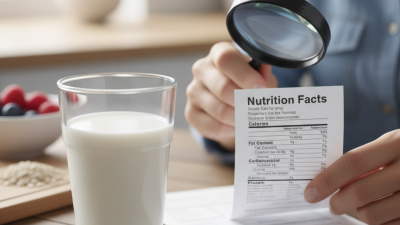
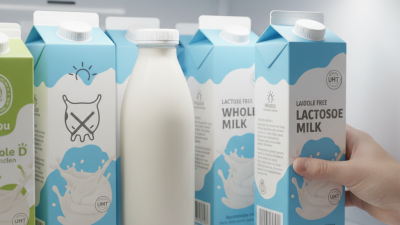
Lactose milk may refer to lactose-free or reduced-lactose dairy milk, depending on regional terminology and product formulation. Buyers should confirm this point before comparing quotations. A reliable evaluation also checks ingredient lists, nutrition panels, shelf-life data, allergen controls, certificates, and testing records. Factory audits and sample trials can reveal details that brochures hide, such as sediment, excessive sweetness, carton weakness, or inconsistent seals. Small details matter. Import requirements also differ by destination, so professional buyers should verify current regulations with qualified local advisors and competent authorities.

The manufacturers featured here are assessed as potential business partners, not automatically endorsed suppliers. Information can change, and public materials may be incomplete or outdated. Request recent certificates, batch specifications, audit evidence, and reference shipments before signing a contract. Compare communication speed, minimum order quantities, lead times, and after-sales support. A strong supplier should answer precise questions clearly. Still, no ranking can replace direct due diligence. This article aims to make supplier research more practical, evidence-based, and realistic for distributors, retailers, and foodservice buyers worldwide.
China Top 10 Lactose Milk Manufacturers for Global Buyers

China’s Lactose Milk Market: 2023 Output Exceeded 40 Million Tonnes

China’s lactose milk market is often described as exceeding 40 million tonnes in 2023. The figure needs careful reading. China’s National Bureau of Statistics reported about 41.97 million tonnes of raw milk production that year. USDA Foreign Agricultural Service also estimated China’s 2023 milk output above 41 million metric tonnes. These figures describe the wider dairy supply, not lactose-free milk alone.

This distinction matters to global buyers. Lactose-free milk remains a specialized segment within China’s large liquid-milk industry. Production depends on reliable raw milk, lactase treatment, cold-chain control, and accurate labeling. During supplier audits, buyers should check processing capacity, enzyme-use records, microbiological testing, and export documentation. A factory may report large dairy volumes, yet its lactose-free line could be comparatively small. That is an easy detail to miss.

Tips: Ask for three years of production data, not one impressive number. Compare audited output with actual lactose-free capacity. Review certificates, shelf-life tests, and shipment records independently. The China Dairy Industry Association has highlighted efficiency and quality upgrading across the sector, but industry-wide progress does not guarantee identical performance from every manufacturer. Some public statistics also combine raw milk, liquid milk, and broader dairy categories. That weakness deserves attention. For global sourcing, transparent definitions are as important as high output.

Lactose Milk Technology: Lactase Hydrolysis and 6–12-Month UHT Shelf Life

For global buyers comparing China’s top ten lactose milk manufacturers, process control matters more than a ranking. Lactose-free milk is made by adding lactase, an enzyme that splits lactose into glucose and galactose. This improves digestibility for many consumers and creates a naturally sweeter taste. It does not make the milk sugar-free. Reliable factories monitor enzyme dosage, reaction time, temperature, and residual lactose through documented testing.

After hydrolysis, UHT treatment commonly heats milk to about 135–150°C for a few seconds. Aseptic filling then protects the product from post-process contamination. Under validated conditions, unopened cartons can remain stable for six to twelve months at room temperature. Actual shelf life depends on formulation, packaging barriers, storage temperature, and transport handling. Buyers should request stability data, microbial results, and batch traceability, not only a printed date.

A practical factory audit should inspect enzyme storage, CIP records, filling-room hygiene, and raw-milk controls. Taste trials matter too. Hydrolyzed milk may taste noticeably sweeter after storage. One easily missed issue is pallet handling, which can damage cartons despite excellent laboratory results. Another concern is that “lactose-free” thresholds differ by market, so certificates must match destination requirements. The strongest supplier is not simply the largest. It should explain each control, repeat results, and acknowledge where validation remains limited.

China’s Top 10 Manufacturers: Capacity, Certifications, and Export Markets

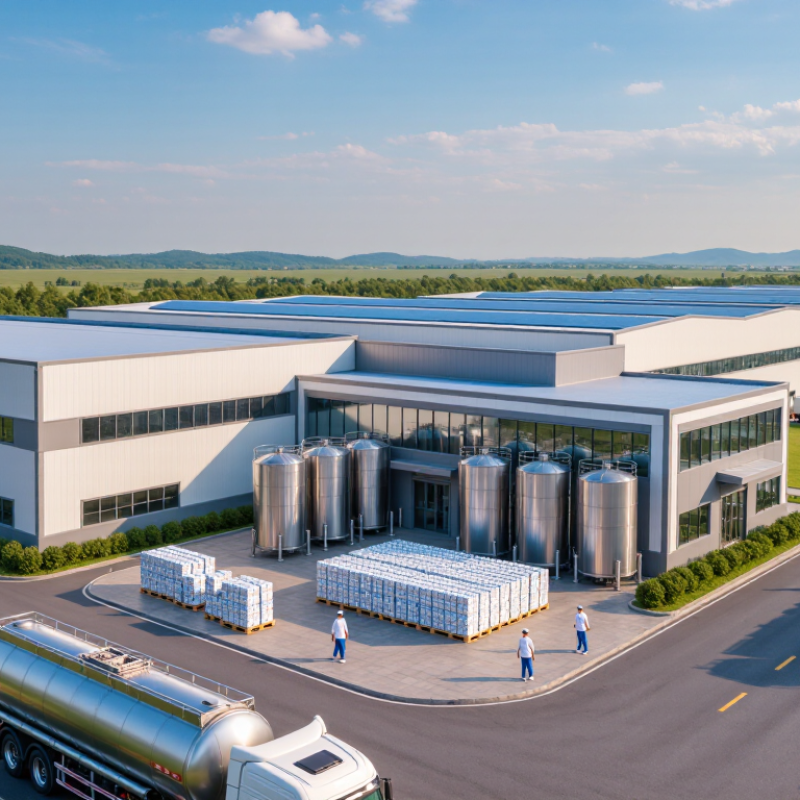
China’s top ten lactose-free milk manufacturers represent large dairy processors, specialized UHT plants, and export-focused co-packers. Their reported annual milk-processing capacity often ranges from 100,000 to over 1 million tonnes. Dedicated lactose-free lines may produce 50 to 300 tonnes daily. Actual output depends on seasonal milk supply, packaging format, and confirmed orders. Capacity claims require careful checking.

Most leading facilities hold ISO 22000, HACCP, or FSSC 22000 certification. Some also maintain BRCGS, Halal, and Kosher approvals. Export experience commonly covers Southeast Asia, the Middle East, Africa, Europe, North America, and Latin America. However, certification may apply only to one factory or product category. Public data can become outdated. I would not treat any ranking as permanent.

Tips: Ask for recent certificates, audit reports, and factory videos. Verify lactose levels through independent laboratory testing. Request production records for UHT treatment, filling, and batch traceability. Confirm whether the quoted capacity belongs to lactose-free milk, or the entire dairy plant. Small details matter. Also review pallet standards, shelf-life tests, language labels, and destination-country registration before signing.

Global Buyer Criteria: Protein, Lactose Below 0.5%, MOQ, and Packaging

China’s top lactose milk manufacturers should be evaluated against measurable buyer requirements, not attractive brochures. Protein content deserves close attention, especially for school, retail, and fitness markets. Request a current specification sheet and third-party laboratory report. Confirm protein per 100 milliliters, fat level, energy, and the exact lactose result. A practical target is lactose below 0.5%, but the testing method and production batch must be stated clearly. One sample is not enough. Ask for results from several recent lots.

MOQ can change the real purchase cost. A small trial order may reduce risk, yet it can increase unit pricing and packaging charges. Confirm whether the MOQ applies per flavor, carton size, or production run. Packaging also needs precise discussion. Common options include 250 ml aseptic cartons, 1-liter cartons, and export-ready cases. Check seal strength, carton thickness, pallet dimensions, shelf life, and storage temperature. Request drop-test evidence for long-distance shipping. It matters.

Experienced buyers should compare factory audits, traceability records, food-safety systems, and response quality. A reliable manufacturer explains limitations instead of promising everything. No supplier scores perfectly. Protein may vary slightly between batches, and packaging assumptions can be wrong. Recheck the final artwork, language, barcode, and nutrition panel before production. Independent verification remains worthwhile, especially when lactose compliance affects consumer trust.

Import Compliance: GB Standards, HACCP, Halal Certification, and Cold Chain

China’s top lactose milk manufacturers must prove compliance before price or capacity matters. The FAO Dairy Market Review reports global milk production exceeded 950 million tonnes in 2023, increasing cross-border quality risks. Buyers should request current GB standard references, not generic compliance statements. Relevant controls may include GB 25190 for sterilized milk, GB 7718 for labeling, and GB 14881 for processing hygiene. Standards can change. Verify the latest versions with Chinese authorities or an accredited laboratory.

HACCP evidence should show hazard analysis, critical limits, corrective actions, and recent verification records. A certificate alone is not enough. Check pasteurization logs, allergen controls, cleaning records, and batch traceability. Codex Alimentarius identifies HACCP as a preventive food-safety system, while third-party audits can test whether procedures work on the factory floor. Halal certification should match the destination market and cover ingredients, processing aids, storage, and transport. Do not assume lactose, enzymes, or flavor carriers are automatically acceptable.

Cold-chain discipline needs measurable proof. Many chilled dairy shipments require temperatures around 0–4°C, but buyers should confirm product-specific limits. Use calibrated data loggers inside reefer containers, with records retained for every shipment. Inspect seals, loading time, condensation, and pallet airflow. A cold truck is not automatically a safe shipment. Paperwork may look perfect while one weak handover damages quality. That uncomfortable gap deserves an independent pre-shipment inspection.