Top 10 Fairlife 2 Milk Nutrition Label Facts Buyers Need?
Buying milk can feel simple until the numbers on the carton start competing for attention. The fairlife 2 milk nutrition label deserves a closer look because serving size, calories, protein, sugar, and fat can shape daily choices. A quick glance may miss important details.
This guide examines ten practical facts buyers should check before placing a bottle in the cart. It considers the nutrition panel, ingredient list, allergen statement, and storage information. Product formulas and package sizes may differ, so the carton in your hand remains the most reliable source. Labels can change.
Fairlife 2% milk is often discussed for its protein content and lactose-free positioning. However, those features should not replace a full label review. Buyers should compare the listed serving size with the amount they actually pour into a glass. An eight-ounce serving is not always the same as a large breakfast tumbler.
Small differences matter.
The discussion also separates verified label information from common assumptions. It avoids treating marketing language as medical advice or promising benefits that the package does not support. Nutrition needs vary among children, adults, athletes, and people managing specific health conditions. A registered dietitian or healthcare professional can provide more personal guidance.
Some conclusions may seem obvious, yet they deserve reflection. A higher-protein option is not automatically better for every shopper. Taste, price, dietary needs, refrigerator space, and household habits all influence value. By reading the fairlife 2 milk nutrition label carefully, buyers can make a more informed decision and notice details that a front-of-carton slogan may leave out.
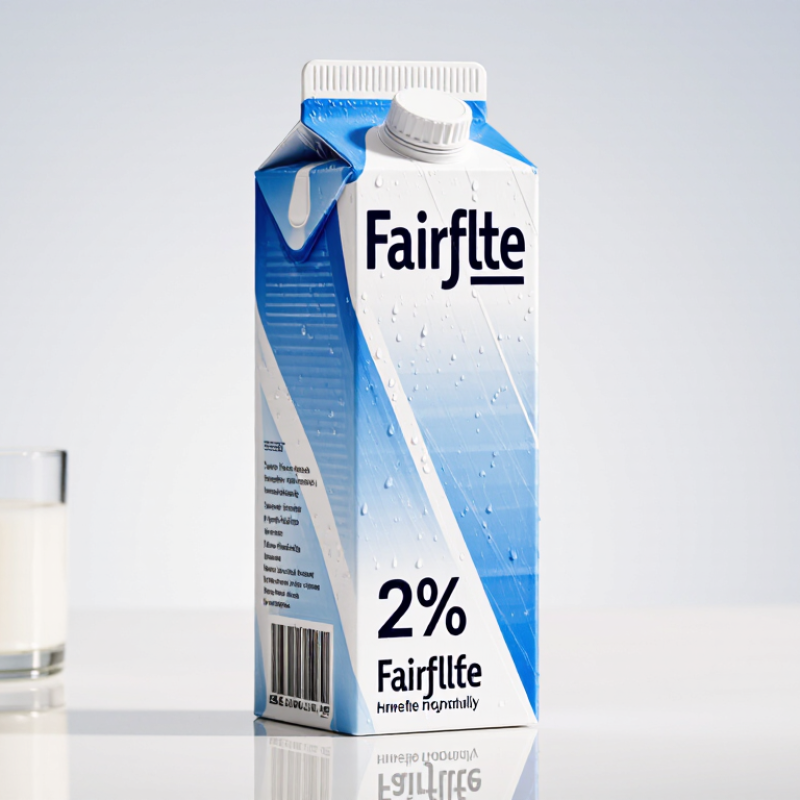
What Fairlife 2% Milk Is and How It Is Made
What 2% Ultra-Filtered Milk Is and How It Is Made
Two-percent milk contains about 2% milk fat by weight. The remaining liquid includes water, proteins, lactose, minerals, and vitamins. USDA FoodData Central lists ordinary reduced-fat milk at roughly 122 calories and 8 grams of protein per cup. Actual values vary by filtration and fortification.
The manufacturing process begins with pasteurized dairy milk. Fine membranes separate some water, lactose, and minerals from larger protein molecules. The manufacturer can then recombine selected components, creating a higher-protein drink with a thicker texture. Lactase may break lactose into simpler sugars, making the milk easier for many sensitive consumers to digest. It is not necessarily sugar-free.
Small details matter.
The U.S. Dietary Guidelines for Americans, 2020–2025, recommends nutrient-dense dairy foods within balanced eating patterns. Protein-rich filtered milk can support that goal, but it does not replace dietary variety. A cup may provide more protein than conventional milk, yet the nutrition label remains the reliable source for calories, sugars, sodium, vitamin D, and calcium.
My practical concern is texture. Membrane filtration can produce a noticeably creamy mouthfeel, even with reduced fat. Some shoppers may mistake that sensation for extra fat. That assumption needs checking. Processing also differs among products, so broad claims about every “2%” carton are imperfect. Compare serving sizes, ingredient lists, and protein values before buying.
| No. | Label Dimension | Typical Value or Definition | What Buyers Should Know |
|---|---|---|---|
| 1 | Serving Size | About 1 cup, or 244 g | Nutrition numbers should be compared using the same serving size. A larger glass contains proportionally more calories, protein, sugar, and minerals. |
| 2 | Calories | Approximately 120–125 calories per cup | Calories can vary slightly according to processing, fortification, and whether the product contains added ingredients. |
| 3 | Milk Fat | Approximately 2% milk fat by weight | “2%” refers to the proportion of milk fat, not the percentage of calories from fat. It generally has less fat than whole milk and more than skim milk. |
| 4 | Total Fat and Saturated Fat | About 4.8 g total fat and 3.1 g saturated fat per cup | Values may differ among products. Check the Nutrition Facts panel if limiting saturated fat is important for your diet. |
| 5 | Protein | About 8 g per cup | Milk protein includes casein and whey. The amount is usually similar across whole, reduced-fat, and skim milk unless the product is specially filtered or formulated. |
| 6 | Natural Milk Sugar | About 12 g lactose per cup | Plain milk naturally contains lactose. “No added sugar” does not mean the product is sugar-free, because naturally occurring lactose is still included in total sugars. |
| 7 | Calcium | About 290–300 mg per cup | Milk is a significant dietary source of calcium, which supports normal bones and teeth. Exact amounts should be confirmed on the package label. |
| 8 | Vitamin D and Other Fortification | Often fortified with vitamin D; may also provide vitamin A | Fortification levels are regulated but can vary by market and product. The declared percentage of the Daily Value is the best comparison tool. |
| 9 | Pasteurization and Homogenization | Usually heat-treated for safety and homogenized for a uniform texture | Pasteurization reduces harmful microorganisms. Homogenization breaks fat into smaller droplets so cream does not separate readily during storage. |
| 10 | How 2% Milk Is Made | Milk is tested, separated, standardized to about 2% fat, optionally fortified, pasteurized, homogenized, cooled, and packaged | The fat level is achieved by separating cream and recombining measured milk components. Refrigeration is required because ordinary pasteurized milk is perishable. |
Related Posts
-
How to Choose the Best Fairlife 2 Milk for Your Diet?
-
How to Choose the Best Fairlife Ultra Filtered Milk for You?
-
China Best Lactose Free Milk Options for Health Conscious Consumers?
-
Why Choose Whipping Cream for Your Culinary Needs?
-
10 Best Cottage Cheese Nutrition Facts for Buyers
-
Why Choose Fairlife Lactose Free Milk for Your Dairy Needs?