What is a Whipped Cream Can and How Does It Work?
In the culinary world, the "whipped cream can" has revolutionized dessert preparation. Chef Maria Gonzalez, an expert in modern pastry techniques, once said, "A whipped cream can transforms simple desserts into works of art." This tool allows chefs and home bakers to easily create light, fluffy whipped cream in seconds.
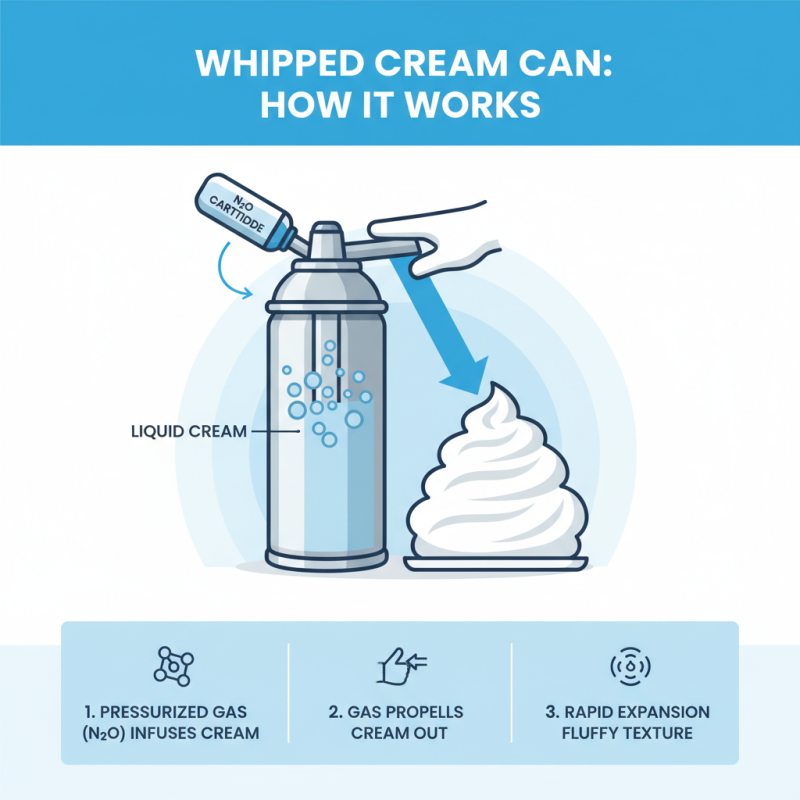
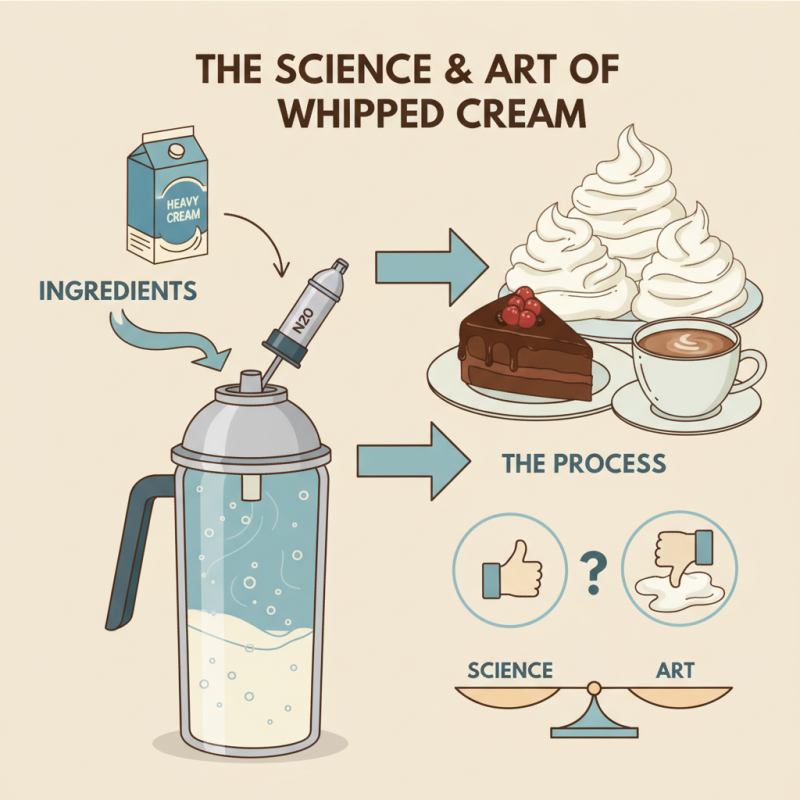
Using a whipped cream can involves loading the canister with heavy cream and charging it with a nitrous oxide cartridge. This process infuses air into the cream, creating a texture that is both airy and rich. While this method is efficient, it can sometimes lead to inconsistencies. A novice might find their whipped cream too runny or over-whipped, resulting in a cloud of disappointment instead of a fluffy topping.
Exploring the dynamics of a whipped cream can uncovers a blend of science and art. Despite its simplicity, achieving the perfect whipped cream requires practice and attention. Issues may arise, but overcoming them can lead to mastery. In the world of culinary delights, the whipped cream can stands as both a tool and a challenge.
What is a Whipped Cream Can?
A whipped cream can is a convenient kitchen tool designed to create fluffy whipped cream. It consists of a canister, a nozzle, and a pressurized system. When filled with cream and a gas like nitrous oxide, it allows users to dispense whipped cream quickly. The gas is crucial as it aerates the cream, turning it into a light, airy texture. The can also keeps the cream stable and fresh for longer.
Using a whipped cream can isn't just about ease; it can sometimes be a learning experience. For instance, many users struggle with achieving the perfect consistency. Too much gas can lead to over-aeration, creating a grainy texture. This can be frustrating for those looking for smooth results. The learning curve can deter beginners, yet there’s satisfaction in mastering it.
Some people don’t realize the importance of cleaning the can after use. Failing to do so can result in clogged nozzles and leftover cream. This can lead to waste and spoilage. Proper care ensures that the can lasts longer and performs better. Addressing these aspects can transform the whipped cream experience, making it more enjoyable and less of a hassle.
The Components of a Whipped Cream Can
A whipped cream can is a fascinating device that transforms simple cream into fluffy, delightful toppings. The main components of these cans are the canister, the propellant, and the nozzle. Each part plays a significant role in the whipping process.
The canister is typically made of aluminum or stainless steel. It houses the cream mixture, which usually consists of heavy cream, sugar, and stabilizers. Propellants, often nitrous oxide (N₂O), are crucial. They create pressure that forces the cream through the nozzle. According to industry insights, the use of nitrous oxide aids in achieving a lighter texture, essential for delightful whipped cream.
However, using these components comes with challenges. For example, the right balance of cream and air is required. Too much air can lead to a soupy or overly airy texture, rendering it less enjoyable. Moreover, maintaining proper temperature is vital. If the cream is too warm, it won't whip properly. Adopting best practices can enhance the final product's quality, ensuring a satisfying experience every time.
Whipped Cream Canister Components and Their Proportions
How Whipped Cream Cans Create Whipped Cream
Whipped cream cans are fascinating devices that produce fluffy, whipped cream in seconds. The process begins with a pressurized canister filled with cream and a gas, usually nitrous oxide. When you activate the nozzle, the gas propels the cream out. As it exits, the rapid expansion of gas causes the cream to whip up almost instantly. This creates a light, airy texture, perfect for topping desserts.
It might seem simple, but several factors affect this process. The temperature of the cream matters. Colder cream whips better than warm cream. Sometimes, the can requires a little shake. If you don't shake it, the results may be less than impressive. You might end up with a streaky or deflated mess. Also, not all cream types work equally, and finding the best combination can be a bit tricky. Experimentation is key to mastering the whipped cream can.
Whipping cream doesn't always yield perfect results. Sometimes, the nozzle clogs or the cream doesn't whip well. Learning from these mistakes is important. Everyone will make some missteps along the way. Adapting and adjusting techniques can turn those failures into successes over time. Enjoying the learning journey is part of the fun.
Common Uses of Whipped Cream Cans
Whipped cream cans serve up more than just a delightful topping. They are often seen at parties, enhancing desserts with a light and airy touch. People love using them for easy applications on cakes, pies, and even coffee drinks. The convenience of spraying freshly whipped cream straight from the can is appealing. However, not everyone knows how to use them effectively.
In the culinary world, whipped cream cans can be a game-changer. They provide a quick way to add a rich texture to cocktails and desserts. Think of ice cream sundaes, where a swirl of whipped cream makes all the difference. But sometimes, the cream can come out too fast. It creates a mess that may ruin the presentation. This shows that precision is essential for the perfect serving.
Outside the kitchen, these cans serve creative purposes. Some use them for decorating cupcakes at special events, while others incorporate them into festivities for a fun touch. Yet, there are challenges. Not everyone gets the right consistency, leading to disappointment. Learning how to gauge pressure and angles becomes a trial-and-error process. This highlights the need for practice and patience in finding the right technique.
Safety and Proper Usage Tips for Whipped Cream Cans
Using whipped cream cans can enhance desserts, but safety should always be a priority. According to the National Institute for Occupational Safety and Health (NIOSH), improper use can lead to accidents. Always read the instructions and ensure you understand how to use the canister correctly.
One common tip is to always keep the canister upright while dispensing. Tilting it may lead to an uneven release and potential injury. Keep the nozzle clean to avoid blockages. The NIOSH recommends that users should never spray intended for food into their mouths. Inhalation or other misuse can lead to serious health risks.
When storing whipped cream cans, be mindful of the temperature. They should be kept cool but not freezing. Extreme temperatures can damage the integrity of the can. Remember, even when using them, pause and check if everything is functioning correctly. Small issues can lead to bigger problems if ignored. Regularly inspecting your tools can mitigate risks.
What is a Whipped Cream Can and How Does It Work? - Safety and Proper Usage Tips for Whipped Cream Cans
| Aspect |
Description |
| Definition |
A whipped cream can is a container designed to dispense whipped cream using pressurized gas. |
| Components |
Typical components include a metal canister, a nozzle, a gas charger holder, and sometimes a cleaning brush. |
| Operating Principle |
Gas is injected into the can, creating pressure that forces the cream out when the nozzle is activated. |
| Common Uses |
Used in food service for desserts, beverages, and decorations. Also popular in home kitchens. |
| Safety Tips |
Always use as directed, do not inhale gas, and keep out of reach of children. Refrigerate after use. |
| Proper Handling |
Clean the nozzle regularly, do not shake when using, and vent the can before refilling. |
| Environmental Considerations |
Use recyclable canisters when possible, and properly dispose of used chargers. |