Skip to content

Why Is Fairlife 2 Milk So Popular Worldwide?

Why Is fairlife 2 milk So Popular Worldwide?

fairlife 2 milk has attracted attention by changing how consumers experience reduced-fat milk. Its ultra-filtered process removes part of the water while concentrating protein and calcium. The result is a smooth, refrigerated drink with a familiar dairy taste. For busy shoppers, that promise feels practical. More nutrition in one glass.

Mike McCloskey, DVM, fairlife’s co-founder and a longtime dairy-industry practitioner, once described the brand’s purpose simply: “We wanted to make milk better.” That statement helps explain the product’s appeal. It connects technical processing with an everyday need. Parents may notice the protein label. Athletes may value convenient nutrition. Some consumers simply prefer its thicker mouthfeel.

But popularity is not proof of universal superiority. Fairlife 2 milk can cost more than conventional milk, and its taste may not satisfy everyone. Availability also differs by country, so “worldwide” should be treated carefully. The brand’s international influence may reflect broader interest in high-protein, lactose-free, and convenient foods, rather than equal global access.

There is another detail worth examining. Consumers often trust clean packaging and simple nutrition panels too quickly. Processing, sourcing, animal welfare, packaging, and refrigeration still deserve scrutiny. A balanced review should compare fairlife 2 milk with ordinary two-percent milk, not only repeat marketing claims. Its popularity is real, but the reasons are more complicated than protein alone.
Why Is Fairlife 2 Milk So Popular Worldwide?

What Is Fairlife 2% Milk?

What Is 2% Milk?

2% milk contains about 2% milkfat by weight. It is often called reduced-fat milk, not low-fat milk. The remaining liquid includes water, protein, lactose, minerals, and several vitamins. Its pale, creamy appearance sits between whole milk and skim milk.

The taste is smooth but less rich than whole milk. Many people choose it for cereal, coffee, smoothies, or a cold glass after exercise. It usually provides protein and calcium, although nutrition values differ by country and processing method. Some varieties are filtered to reduce lactose or increase protein. Read the nutrition label carefully. “2%” describes fat content, not the total percentage of calories from fat.

Tips Chill it below 4°C for a fresher taste. Shake filtered varieties before pouring. Compare protein, calcium, added sugar, and serving size. If lactose causes discomfort, try a lactose-free option after checking its ingredients.

A practical mistake is assuming every 2% carton tastes identical. Feed quality, processing, storage, and freshness can change the experience. I would not judge it from one sip alone. Check the date, smell it, and notice whether the texture seems unusually thick or separated. People managing calories should also remember that portions matter. A large glass can quietly add more energy than expected.

How Fairlife 2% Milk Is Produced

Why Is Fairlife 2 Milk So Popular Worldwide?

How Fairlife 2% Milk Is Produced

A close look at two-percent milk production begins on the farm. Fresh milk is collected in sanitized tankers and cooled quickly. Temperature control matters because quality can change before processing starts. At the plant, technicians test samples for composition, cleanliness, and freshness. Milk that fails safety standards does not continue.

The milk then passes through fine filtration equipment. This process separates some water, lactose, minerals, and milk proteins. The components are blended again to create a consistent nutritional profile. For two-percent milk, a measured amount of milk fat remains. The mixture is homogenized, breaking fat into tiny droplets. This creates a smoother texture and prevents cream from rising.

Heat treatment follows. Pasteurization reduces harmful microorganisms while preserving the milk’s familiar taste. Some facilities use advanced filtration before pasteurization, but methods can vary. After processing, the milk enters sealed containers and stays refrigerated through transport. That cold chain is essential.

The result can look simple. It is not.

Production still has limits. Filtration may change the flavor slightly, and processing cannot replace careful farming. Labels also deserve attention because nutrition can differ between products. A reliable choice comes from checking ingredients, protein content, sugar levels, and storage instructions. Even efficient technology needs honest testing and regular review.

Which Nutritional Features Set It Apart?

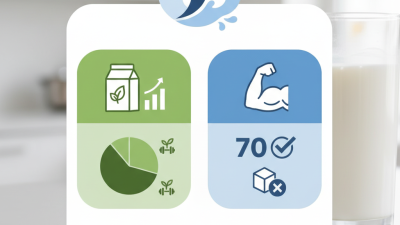
An ultra-filtered 2% milk attracts attention because it offers familiar taste with a different nutritional profile. Filtration can reduce some water and lactose while concentrating protein. One serving may provide about 13 grams of protein, depending on the label. That amount supports a fuller breakfast, especially with oats, fruit, or whole-grain toast. It also supplies calcium and often includes vitamin D.

The sugar content deserves a closer look. In many versions, most sugar comes from naturally occurring lactose rather than added sweeteners. A lactose-free formula may suit people who experience digestive discomfort after regular milk. However, lactose-free does not mean sugar-free. Read the nutrition panel carefully. Small serving sizes can make numbers appear better than they are.

The texture is thicker. Some people enjoy that creamy mouthfeel, while others find it less refreshing. Its protein content may help with daily nutrition, but it does not make a balanced diet unnecessary. I would not call it perfect. The price can be higher, and processing may matter to shoppers who prefer minimally altered foods. Still, the combination of protein, calcium, reduced lactose, and moderate fat explains its broad appeal. At breakfast, that convenience feels practical. Not always.

Why Is Fairlife 2 Milk So Popular Worldwide? - Which Nutritional Features Set It Apart?

Typical nutritional comparison of fluid cow’s milk by fat level

Nutritional measure Whole milk
約 3.25% fat
Reduced-fat milk
2% fat
Skim milk
0–0.5% fat
Serving basis 1 cup / 244 g 1 cup / 244 g 1 cup / 245 g
Energy 149 kcal 122 kcal 83 kcal
Protein 7.69 g 8.05 g 8.26 g
Total fat 7.93 g 4.83 g 0.20 g
Saturated fat 4.55 g 3.09 g 0.13 g
Carbohydrate 11.71 g 11.71 g 12.18 g
Naturally occurring sugars 12.32 g 12.32 g 12.51 g
Calcium 276 mg 293 mg 298 mg
Vitamin D 2.9 µg 2.9 µg 2.9 µg
Vitamin B12 1.07 µg 1.22 µg 1.32 µg
Potassium 322 mg 366 mg 382 mg
Approximate calcium daily value 21% 23% 23%
Key nutritional balance: 2% milk typically provides nearly the same protein, carbohydrate, calcium, vitamin D, and vitamin B12 as other common milk types, while containing less total and saturated fat than whole milk. Values may vary by country, fortification policy, processing method, and serving size.

Data reference: Typical values compiled from USDA FoodData Central entries for fluid cow’s milk. Nutrient values are rounded; fortified products and regional formulations may differ.

Why Consumers Choose Fairlife 2% Milk

Consumers choose 2% milk because it balances creaminess with everyday nutrition. It feels richer than skim milk, yet lighter than whole milk. This middle position matters during breakfast, coffee preparation, and family cooking. The USDA FoodData Central lists reduced-fat milk at about 50 calories and 3.3 grams of protein per 100 grams. It also provides roughly 120 milligrams of calcium. Those figures support practical decisions, not miracle claims.

Texture remains important. The 2024 IFIC Food & Health Survey identified taste as a leading food-purchase influence, while price and healthfulness also shaped choices. A smooth mouthfeel can make lower-fat milk easier to enjoy daily. Global demand also reflects familiarity. OECD-FAO Agricultural Outlook 2024–2033 expects dairy consumption to keep expanding in developing markets, especially where incomes and cold-chain access improve. However, “healthier” is not always the right word. Added sweetness, serving size, and personal nutrition needs still deserve attention.

Tips: Check the nutrition panel, not only the front label. Compare protein, added sugar, calories, and calcium. Store milk below 4°C and return it quickly after pouring. A glass beside warm toast shows the texture difference clearly. Still, preference is personal. Some consumers may find 2% milk too thin, while others may consider it unnecessarily rich. That disagreement is useful; it prevents one product style from becoming a universal health rule.

Why Is 2% Milk Popular Worldwide?

Typical nutrition values for one 240 mL serving of reduced-fat milk

Reduced-fat milk combines a familiar creamy taste with moderate fat content and naturally occurring protein, carbohydrates, and milk sugar. Its versatility in beverages, breakfast foods, cooking, and baking helps explain why this type of milk is widely chosen by consumers.

Values are approximate USDA FoodData Central values per 240 mL serving; nutrition can vary by product and fortification.

How Fairlife 2% Milk Became Popular Worldwide

How Fairlife 2% Milk Became Popular Worldwide

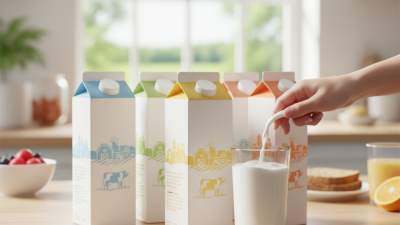
The rise of premium two-percent milk reflects changing habits, not just clever advertising. Many shoppers want familiar dairy with more protein and less sugar. Ultra-filtering can concentrate protein while keeping a smooth, lightly creamy taste. That texture matters during breakfast, coffee breaks, and quick family meals. In my experience, people often choose it because the carton feels practical, not luxurious. Still, nutrition claims deserve careful reading.

Tips: Compare protein, sugar, calories, and serving sizes on the label. Check the expiration date. Store milk at the back of the refrigerator, where temperatures stay steadier. If lactose causes discomfort, ask a qualified healthcare professional before changing your diet.

Worldwide popularity also comes from convenience and cultural adaptability. The milk works in cereal, tea, smoothies, sauces, and baked foods. Its familiar flavor lowers the barrier for new customers. Online reviews and short videos have helped turn ordinary refrigerator items into lifestyle products. However, global demand does not prove that one formula suits everyone. Taste preferences, food traditions, allergies, and household budgets vary widely. Some shoppers may prefer regular milk, while others need fortified or plant-based choices. That uncertainty is worth acknowledging. Availability also differs between countries, so local labeling rules and independent nutrition guidance should shape the final decision.