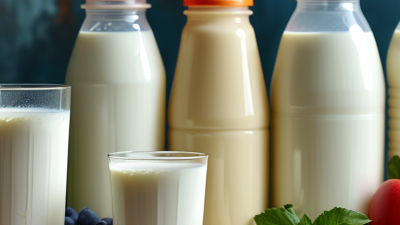
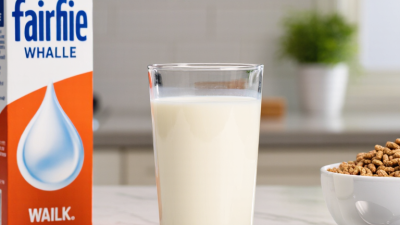
Lactose-free whole milk is moving from a niche shelf into more everyday shopping baskets. The reason is practical: it offers the familiar taste and texture of whole milk, while lactase helps break down its lactose. For people who experience digestive symptoms after consuming lactose, that difference can make a cold glass of milk or a bowl of cereal easier to enjoy.
The potential audience is substantial, though the figures need context. The U.S. National Institute of Diabetes and Digestive and Kidney Diseases estimates that about 68% of the world’s population has lactose malabsorption; its estimate for the United States is about 36%. These figures describe lactose malabsorption, not necessarily diagnosed intolerance or likely buyers. They signal a possible need, not a sales forecast. That distinction matters.
Nutrition guidance also helps explain the product’s appeal. The USDA’s Dietary Guidelines for Americans, 2020–2025, includes lactose-free milk among dairy choices and recommends three daily cup-equivalents for many people aged nine and older. Whole milk adds a richer mouthfeel, which can matter in coffee, cooking, and breakfast. But “lactose-free” does not automatically mean better for everyone. Taste, dietary needs, price, and access still shape the choice. Demand is real enough to examine, but public health statistics alone cannot prove how quickly retail sales are growing. A closer look at consumer habits and industry data is needed.
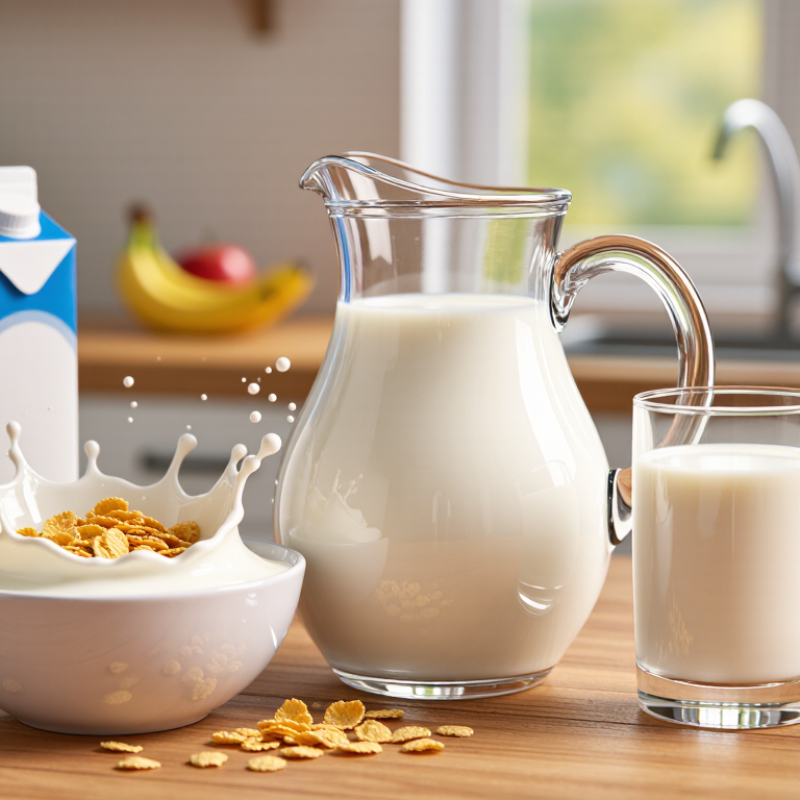
Lactose-free whole milk is dairy milk with its lactose broken down, usually by adding the enzyme lactase. Lactase splits lactose into simpler sugars, glucose and galactose, which are easier for many people with lactose intolerance to digest. Whole milk matters. “Whole” describes its fat content, not its lactose level, so the milk still has the creamy body people expect.
It looks much like regular milk in a glass, with a pale, opaque color and a richer texture than low-fat milk. The taste can seem slightly sweeter because the smaller sugars are more noticeable. No extra table sugar is necessarily added. Protein, calcium, and other nutrients are generally similar to those in ordinary whole milk, but the exact nutrition panel is worth checking.
This is still cow’s milk, not a milk-protein-free substitute. People with a milk allergy should not assume lactose-free milk is safe for them. That distinction is easy to miss on a quick shop. Lactose-free products can be useful for people who get digestive symptoms from lactose, though tolerance varies from person to person. The label explains the processing, but it cannot predict how one particular stomach will respond.
Lactose-free whole milk begins as ordinary whole milk, with its natural fat content retained. At the processing plant, the milk is tested, chilled, and handled with sanitized equipment. Many producers add lactase, an enzyme that splits lactose into glucose and galactose. The enzyme may be blended into the milk in a stainless-steel tank, then given time to work. This changes the sugar’s form rather than removing it. Some processes also use filtration, depending on the product and equipment. The milk is pasteurized to reduce harmful microbes and support safe storage. The fat stays.
Because glucose and galactose taste sweeter than lactose, the finished milk can seem sweeter, even without added sugar. Temperature control, clean equipment, and routine testing help maintain quality. Checks may cover fat levels, enzyme activity, microbial safety, and package seals. After treatment, the milk is cooled and filled into sealed containers.
Small details matter.
A longer enzyme treatment can make the sweetness more pronounced, and people may notice it differently. Production methods vary, so no single process explains every product’s taste. “Lactose-free” also does not mean dairy-free: milk proteins remain, a distinction that is easy to miss.
Why Is Lactose Free Whole Milk in High Demand?
Its Nutritional Profile and Key Differences
Lactose-free whole milk starts as regular cow’s milk. The enzyme lactase breaks lactose into simpler sugars, glucose and galactose. This helps many people with lactose intolerance enjoy milk with fewer digestive symptoms. The process does not remove milk proteins or naturally occurring fat. A cup generally provides similar protein, calcium, and calories to regular whole milk, though nutrition labels can vary. It may taste sweeter. That sweetness comes from the sugars being easier to taste, not necessarily from added sugar.
The key difference is how the milk is digested, not its basic nutritional profile. Whole milk still contains saturated fat, so serving size matters for people monitoring their intake. Lactose-free milk is not dairy-free and is not suitable for someone with a milk allergy. Its growing appeal is practical: people can add it to coffee, cereal, or a warm mug without changing familiar routines. Still, “lactose-free” does not make every carton identical.
Tips: Compare labels for protein, calcium, and added ingredients. Keep the carton chilled, and note its use-by date. If you are unsure whether symptoms come from lactose or another cause, ask a qualified healthcare professional. It can take some trial and reflection to find what suits you.
Typical nutrition in one cup (about 244 g) of whole milk
Lactose-free whole milk is made by adding lactase, which splits lactose into glucose and galactose. It generally provides a similar amount of calories, fat, protein, and total sugars as regular whole milk; the sugars may taste sweeter after this change. Values shown are approximate reference values for whole milk, and nutrition can vary by product. Sugars are included within total carbohydrates, so the two values should not be added together.
Demand for lactose-free whole milk is growing because shoppers want familiar dairy without the same digestive discomfort. Lactose-free milk is usually cow’s milk treated with lactase, an enzyme that breaks down lactose. It still contains milk proteins, so it is not suitable for people with a milk allergy. That distinction matters on a busy grocery aisle.
Whole milk also offers a creamy texture that works well in coffee, cereal, and cooking. Parents may choose it for family meals, while adults who miss dairy may find it easier to enjoy. A cold glass beside a warm breakfast is a simple, familiar comfort. Taste can be slightly sweeter, though preferences vary. No option suits everyone.
Convenience plays a part, too. Households can often replace regular whole milk without changing recipes or routines. Clearer food-label reading has also made it easier for consumers to compare choices. Still, demand does not mean every shopper needs lactose-free products; some people tolerate lactose without difficulty. The shift is real, but its reasons differ from one kitchen to another.
Lactose-free whole milk works well in everyday meals. Pour it over cereal, blend it into a smoothie, or use it in creamy soups, sauces, and baked goods. In coffee, its full texture can soften bitterness. Lactase breaks lactose into simpler sugars, so the milk may taste slightly sweeter. It still contains lactose-derived sugars. The NIDDK reports that about 68% of the world’s population has lactose malabsorption, though symptoms and tolerance vary widely. That helps explain its appeal, but it does not mean everyone needs to avoid regular milk.
Buyers should check the nutrition panel, ingredients, storage instructions, and use-by date. Lactose-free milk is not automatically lower in calories or sugar. Whole milk also retains its richer fat content; the FDA standard of identity sets whole milk at no less than 3.25% milkfat. For cooking, it generally substitutes for regular whole milk, though sweetness can affect delicate custards or sauces. Small differences matter.
Tips: Chill it promptly after opening. Compare protein, calcium, and vitamin D on the label, since fortification can vary. If testing it in a recipe, try a small batch first; texture can change with heating, and results are not always perfect.
| Topic | Typical Details | Common Use or Buyer Consideration |
|---|---|---|
| Lactose-free processing | Lactase is used to break lactose into the simpler sugars glucose and galactose. The milk remains a dairy product. | Often chosen by people who have difficulty digesting lactose. It is not suitable for people with a milk allergy. |
| Whole-milk fat level | Whole milk is commonly standardized to about 3.25% milkfat, although product specifications can vary. | Its fuller texture can suit drinking, cereal, coffee, sauces, and recipes that call for whole milk. |
| Approximate nutrition per 1 cup (about 240 mL) | Generic whole milk provides roughly 150 calories, 8 g protein, 8 g fat, and 12 g carbohydrate. Values vary by product. | Compare the nutrition panel when monitoring calories, fat, protein, or carbohydrates; lactose-free milk is not necessarily lower in sugar or calories. |
| Taste and sweetness | Because lactose is split into simpler sugars, lactose-free milk can taste sweeter than regular milk even when no sugar has been added. | Consider trying a small amount first if using it in coffee, tea, or recipes where sweetness may affect the final flavor. |
| Coffee and tea | Whole milk adds dairy flavor and a creamy texture to hot or cold beverages. | Check how it tastes and blends in the specific drink; heating and preparation can affect texture. |
| Cereal, porridge, and drinking | It can generally be used in the same ways as regular whole milk. | Choose based on preferred richness, serving size, and dietary needs. Lactose-free does not mean dairy-free. |
| Cooking and baking | It can usually replace regular whole milk in recipes that use milk as an ingredient. | Since it may taste sweeter, consider whether that flavor suits savory dishes or lightly sweetened recipes. |
| Nutrition fortification | Added vitamins, such as vitamin D, can differ between products and markets. | Read the ingredient list and nutrition panel rather than assuming every product has the same fortification. |
| Storage and freshness | Storage requirements depend on processing and packaging. Once opened, follow the package instructions and keep refrigerated when directed. | Check the date, packaging condition, storage directions, and recommended use-after-opening period before buying. |
| Who should take extra care | Lactose-free cow’s milk still contains milk proteins and is a source of dairy. | People with a milk allergy should avoid it unless advised otherwise by a qualified healthcare professional. |