Fairlife 2 Milk Nutrition Label What Buyers Need to Know?
Choosing milk can feel surprisingly complicated. A familiar bottle may carry a different nutrition story than ordinary refrigerated milk. That is why the fairlife 2 milk nutrition label deserves a closer look before you compare prices, calories, or protein claims. The front panel attracts attention. The serving details reveal more.
Fairlife 2% milk is known for ultra-filtered processing, which concentrates some nutrients and reduces lactose. A typical serving provides about 120 calories, 13 grams of protein, 6 grams of sugar, and 4.5 grams of fat. Exact values may vary by product size, flavor, or market. Check the container in your hand. Do not rely on an old screenshot.
Susan Mayne, Ph.D., former director of the FDA’s Center for Food Safety and Applied Nutrition, has explained, “The Nutrition Facts label makes it easier for consumers to make informed food choices.” That idea fits this review, but the label still requires judgment. Protein may matter to an active shopper. Added ingredients may matter to someone seeking a simpler formula. Sugar totals also need context, because naturally occurring lactose appears there. A high protein number does not automatically make a product ideal for everyone. Small detail. Big difference.
This guide examines calories, protein, sugar, fat, calcium, ingredients, and serving size. It also considers how fairlife 2% milk compares with conventional milk. The comparison is not perfectly simple. Personal nutrition needs, dietary tolerance, and portion habits can change the answer. A careful buyer should pause, read the full fairlife 2 milk nutrition label, and decide whether its benefits match everyday priorities.
What Fairlife 2% Milk Nutrition Label Includes
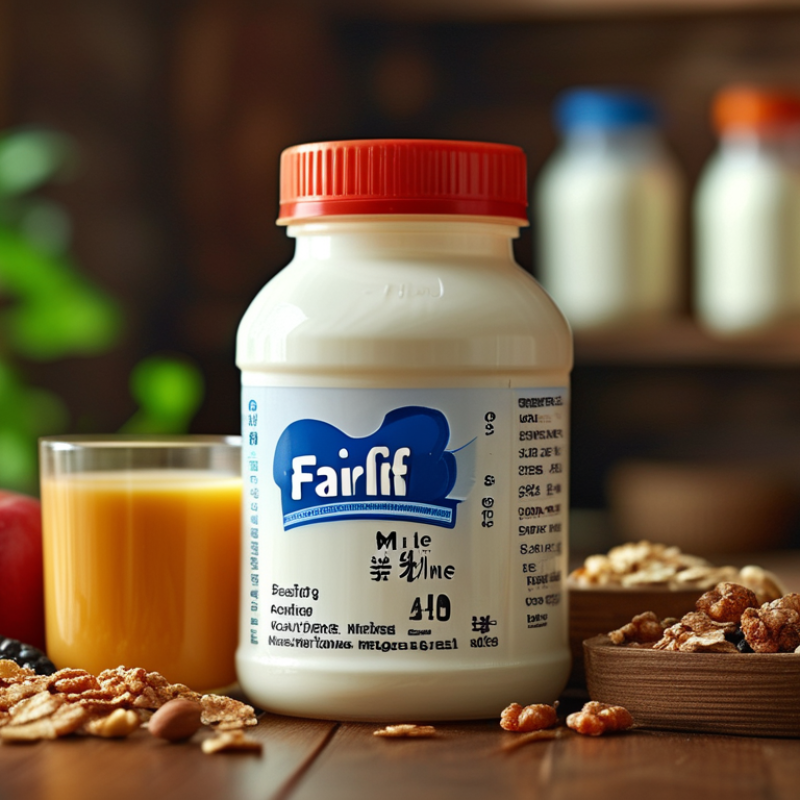
A 2% filtered milk nutrition label usually starts with a one-cup serving, about 240 milliliters. Check this line before comparing bottles. A typical label may show around 120 calories, 5 grams of fat, 6 grams of carbohydrates, and 13 grams of protein. Protein can vary by filtration method. The USDA FoodData Central database lists conventional reduced-fat milk at about 122 calories and 8 grams of protein per cup. This difference matters for shoppers seeking higher protein.
The sugar line deserves attention. Total sugar may appear near 6 grams, while added sugar remains 0 grams. That sugar is naturally occurring lactose, not sweetener. The FDA Daily Value for calcium is 1,300 milligrams, so a serving providing 350 milligrams supplies roughly 27 percent. Vitamin D and potassium may also appear, but their amounts vary by formulation. Read the serving size carefully. A large glass can quietly become two servings. I have made that mistake myself.
Tips:
Compare protein, calories, saturated fat, and added sugar together. Do not judge quality from protein alone. The American Heart Association recommends limiting saturated fat to less than 6 percent of daily calories for people managing cardiovascular risk. Individual needs differ. Lactose-sensitive buyers should also inspect the ingredient list, because “filtered” does not always mean lactose-free. Labels change, and online listings can lag behind packaging. Check the carton in your hand.
Calories, Protein, Fat, and Carbohydrate Breakdown
A two-percent milk drink should be judged by its nutrition panel, not its polished front label. USDA FoodData Central reports that one cup of standard reduced-fat milk contains about 122 calories, 8 grams of protein, 5 grams of fat, and 12 grams of carbohydrates. A typical ultra-filtered version may show similar calories, but higher protein and fewer carbohydrates. The exact numbers depend on processing and serving size.
Protein is the main buying point. Around 13 grams per cup can support breakfast, recovery, or a quick snack. However, protein claims can distract from calories. Check the serving size carefully. One bottle may contain more than one serving, which changes the calculation quickly.
Fat still matters. Two-percent milk usually provides roughly 4–5 grams per cup, with some saturated fat. The American Heart Association advises limiting saturated fat to less than 6% of daily calories. Carbohydrates mainly come from lactose, although filtration may reduce the listed amount. FDA Daily Value references use 275 grams of carbohydrates and 78 grams of total fat for a 2,000-calorie diet. Those figures are useful, but personal needs differ. I would compare calcium, added sugar, and ingredient details too. The label is helpful, not perfect. Nutrient values can vary slightly between batches.
Key Vitamins and Minerals in Each Serving
A 240-milliliter serving of reduced-fat milk can provide meaningful amounts of calcium, vitamin D, potassium, and vitamin B12. On the nutrition label, calcium is often listed near 25–30% of the Daily Value. That matters because calcium supports bones, teeth, and normal muscle function. The National Institutes of Health notes that adults generally need 1,000 milligrams of calcium daily, although needs vary by age and sex.
Vitamin D deserves closer attention.
Many milk products provide about 15–25% of the Daily Value per serving. The NIH Office of Dietary Supplements identifies vitamin D as essential for calcium absorption and bone health. Still, the label may not tell the whole story. Fortification levels differ, and sunlight exposure, diet, and individual health conditions also affect vitamin D status.
Potassium and vitamin B12 add practical value. A serving may supply roughly 6% of the Daily Value for potassium and 40–50% for vitamin B12, depending on the formulation. USDA FoodData Central identifies dairy foods as useful sources of both nutrients. B12 supports red blood cell formation and neurological function. Potassium helps maintain fluid balance and normal nerve signaling.
The details can be easy to miss.
Check serving size first. Then compare calcium and vitamin D percentages. A larger glass changes the numbers. I sometimes treat the label as a complete answer, but that is a mistake. Nutrient needs are personal, and “more” is not automatically better.
How Fairlife 2% Milk Fits Different Dietary Needs
A 2% ultra-filtered milk can fit several dietary patterns, but the label matters more than the front-panel claims. One cup of standard reduced-fat milk provides about 122 calories, 8 grams of protein, 12 grams of carbohydrate, and 295 milligrams of calcium, according to USDA FoodData Central. Some filtered versions offer around 13 grams of protein and less sugar, depending on processing. Check the serving size carefully. A large glass can quietly become two servings.
For active adults, the higher protein content may support muscle maintenance alongside meals and resistance training. The Dietary Guidelines for Americans, 2020–2025, include low-fat and fat-free dairy within healthy eating patterns, especially for calcium, vitamin D, and potassium. Still, 2% milk contains more fat than skim milk, so it may suit people seeking greater fullness rather than strict low-fat intake.
It is not automatically better.
People managing lactose sensitivity should look for lactose-free labeling, not simply “filtered.” Individuals limiting carbohydrates should compare total sugars, because natural lactose remains unless removed. Those tracking calories, saturated fat, or added nutrients should review every line of the Nutrition Facts panel. In my label checks, serving size causes the most mistakes. Protein can look impressive, yet the product may not match every diet, budget, or medical plan. Personal needs remain imperfectly captured by a single number.